Exploring Historical Weather Patterns in Dallas
Discover the historical weather patterns in Dallas, including seasonal changes, climate trends, and how they impact local events and daily life.
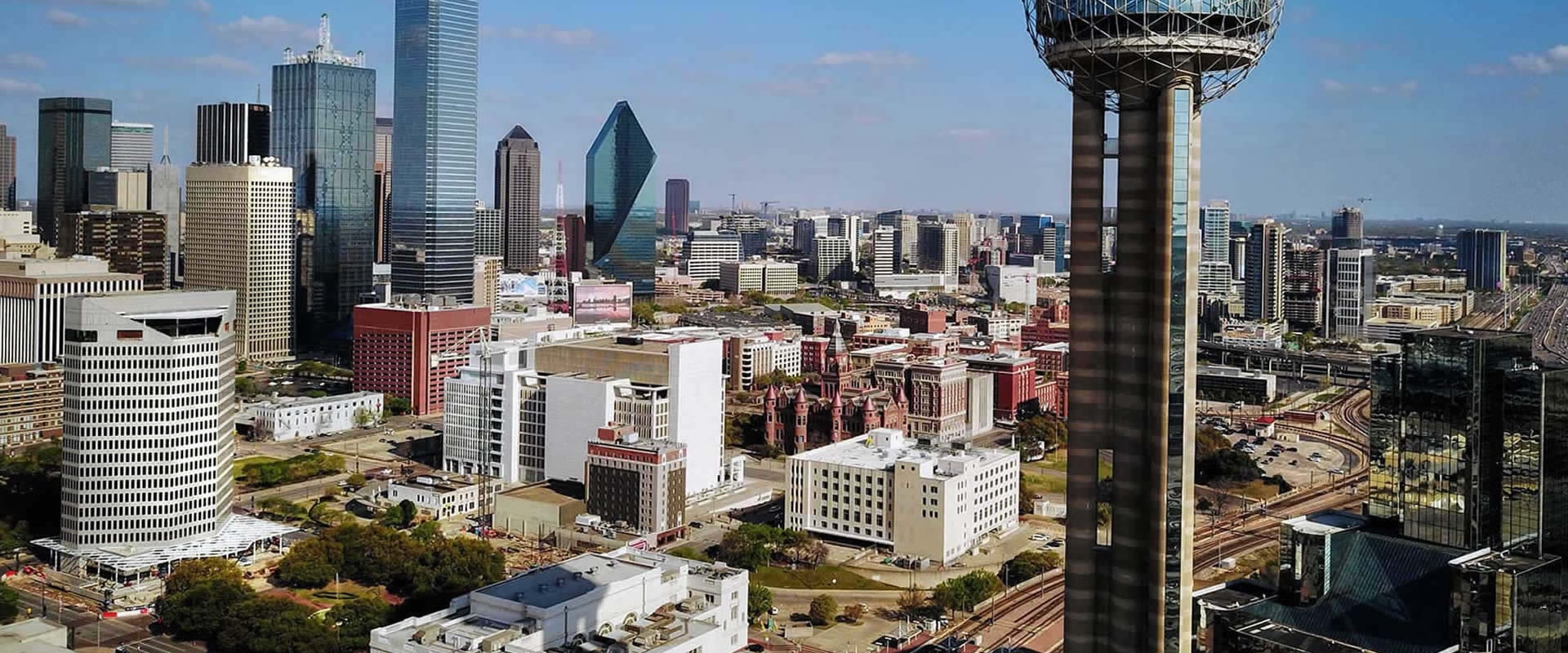
Welcome to our exploration of Historical Weather Patterns in Dallas, a city known for its dynamic climate and rich history. Understanding the weather patterns that have shaped this vibrant metropolis is essential for residents, meteorologists, and enthusiasts alike. By delving into the past, we can uncover the factors that influence current weather phenomena and better prepare for future climatic shifts. Dallas is not just a city of skyscrapers and bustling streets; it is also a place where the interplay of geography and climate has resulted in unique weather trends.
From the scorching summers to the chilly winters, the city experiences a diverse range of weather conditions that have evolved over the decades. In this article, we will take a closer look at how historical data reveals the remarkable changes in temperature, precipitation, and storm activity throughout the years. As we journey through time, we will highlight significant weather events that have left their mark on Dallas, providing insight into how these occurrences have influenced not only the local environment but also the lifestyles of its inhabitants. Whether you are a long-time resident or new to the area, understanding historical weather patterns can enhance your appreciation for Dallas' climate and its impact on daily life.
Join us as we uncover the fascinating story behind Dallas' weather history, illuminating trends that may surprise you and offering a deeper understanding of what makes this city unique. Let’s embark on this enlightening journey together!Located in north-central Texas, Dallas is situated at the intersection of several geographical features that significantly influence its weather patterns. The city is positioned in a region characterized by a humid subtropical climate, which means it experiences hot summers and mild winters. Its location near the convergence of the Great Plains and the Gulf of Mexico leads to a unique blend of weather phenomena.
Warm, moist air from the Gulf often collides with cooler air from the north, creating conditions ripe for severe weather events. Over the decades, seasonal variations in Dallas have become increasingly pronounced. Historically, summers have been scorching with average high temperatures reaching up to 95°F (35°C), while winters typically see lows around 35°F (1.6°C). However, data indicates that the average summer temperatures have risen over the past few decades, contributing to more frequent heatwaves. Notably, winters have also shown shifts, with an increase in both milder temperatures and fluctuating precipitation patterns. Dallas has witnessed its fair share of notable weather events, which serve as stark reminders of nature's power.
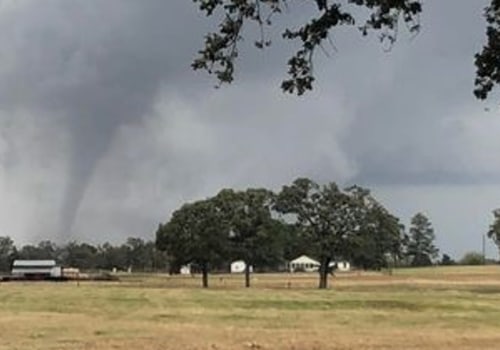
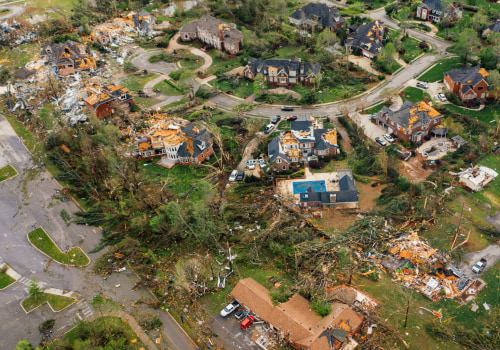
For instance, the devastating floods of 1935 saw a record rainfall of over 12 inches in just 24 hours, resulting in significant destruction throughout the city. More recently, in 2019, a tornado tore through parts of Dallas, causing widespread damage and serving as a wake-up call about the potential severity of extreme weather occurrences. Such events not only affect immediate safety but also have long-term implications for community planning and infrastructure resilience. The temperature averages in Dallas have varied considerably over the years. According to historical data, the average annual temperature has climbed from approximately 62°F (16.7°C) in the early 20th century to nearly 66°F (18.9°C) today.
Rainfall statistics reveal that while the annual precipitation averages around 37 inches, this amount can fluctuate dramatically year-to-year based on seasonal storms and drought conditions. These fluctuations impact local agriculture profoundly; farmers must adapt to changing moisture levels that can either lead to crop failures during periods of drought or excessive water during flooding. The implications of these historical weather patterns extend beyond agriculture. Local infrastructure faces challenges as city planners must account for increased flooding risks and heat-related stress on buildings and transportation systems. Moreover, community activities are also influenced; outdoor events may need to be rescheduled or relocated due to unpredictable weather conditions. While many agree on the observable changes in climate trends, there are differing opinions regarding the extent and causes of these shifts.
Some argue that natural variability plays a significant role in regional climate patterns, while others emphasize the impact of human activity on accelerating climate change. This ongoing debate underscores the importance of continued research and monitoring of Dallas's weather patterns to inform effective community planning and response strategies. In conclusion, understanding historical weather patterns in Dallas provides valuable insights into how past events shape present-day challenges and future preparedness. By analyzing these trends, residents can better navigate the complexities of living in a city where weather is both a defining characteristic and an unpredictable force.
Dallas Climate Overview
The climate of Dallas is characterized by its hot summers and mild winters, which significantly influences the lifestyle and activities of its residents. The average high temperature in summer can soar to around 95°F (35°C), while winter temperatures typically hover between 30°F (-1°C) and 60°F (16°C).Humidity levels in Dallas can vary, but the city generally experiences moderate humidity, particularly during the summer months when it can feel quite oppressive.The average annual humidity is around 60%, which can exacerbate the heat. Precipitation in Dallas is relatively evenly distributed throughout the year, with an average annual rainfall of about 37 inches (940 mm). The spring months often see a spike in rainfall, contributing to the lush greenery that characterizes the area post-winter. However, summer storms can also bring heavy downpours and occasional severe weather events, making it essential for residents to stay informed about changing conditions.
Key Historical Weather Events
Throughout its history, Dallas has experienced a variety of significant weather events that have left a lasting impact on the region's climate narrative. From hurricanes to snowstorms and heatwaves, these occurrences have shaped the way residents understand and respond to their environment. One of the most notable events was Hurricane Harvey in 2017, which, although primarily affecting Houston, had ripple effects across Dallas.The city faced heavy rainfall, leading to localized flooding that prompted emergency responses and highlighted the importance of effective drainage systems. This event served as a wake-up call regarding the city’s preparedness for extreme weather. Another key moment in Dallas weather history was the infamous snowstorm of 1983. This unexpected winter storm brought several inches of snow, paralyzing the city and causing widespread disruption. It was a rare event for a region known more for its heat than its cold, illustrating how unpredictable Dallas's climate can be. Additionally, the summer of 2011 marked one of the most intense heatwaves on record, with temperatures soaring above 100 degrees Fahrenheit for 100 consecutive days.
This extreme weather not only posed health risks but also affected local agriculture and water supply, prompting discussions about sustainability and climate resilience. These significant historical weather events underscore the dynamic nature of Dallas's climate and the necessity for ongoing research and adaptation strategies to prepare for future challenges.
Future Weather Predictions
As we look towards the future, weather predictions for Dallas are becoming increasingly sophisticated, thanks to advancements in technology and data analysis. By leveraging historical weather patterns, meteorologists can identify emerging trends that may impact the region in the coming years. One significant trend observed in recent years is the increase in extreme weather events, such as heavy rainfall and severe thunderstorms. Analysis of past data shows that Dallas has experienced a rise in the frequency and intensity of these events, which can have substantial effects on infrastructure, agriculture, and local ecosystems. Climate models indicate that as global temperatures continue to rise, Dallas may face hotter summers and milder winters. This shift could alter the typical weather patterns, affecting everything from energy consumption to water supply management.For instance, the demand for air conditioning during the sweltering summer months may increase, prompting city planners to reassess energy resources. Moreover, understanding historical weather patterns helps identify seasonal variations that could influence agricultural practices. Farmers in the Dallas area can utilize this information to make informed decisions about crop selection and planting schedules, ensuring they are prepared for changing climate conditions. Overall, by analyzing historical data and utilizing advanced climate models, we can gain valuable insights into the future of weather predictions in Dallas. This knowledge not only enhances our understanding of potential climatic shifts but also equips the community with tools to better adapt and respond to these changes.
Impact on Local Events and Community
Understanding historical weather patterns is crucial for the planning and execution of local events in Dallas. The city experiences a unique climate characterized by hot summers and mild winters, with occasional severe weather events.This distinctive climate can significantly influence the scheduling and attendance of festivals, outdoor concerts, and community gatherings. For instance, the Dallas Arts District hosts numerous outdoor events each year. Knowledge of historical weather patterns allows organizers to choose dates that minimize the risk of rain or extreme heat, ensuring a comfortable experience for attendees. Additionally, the city’s famous State Fair, held annually in late September to mid-October, often benefits from favorable weather conditions. By analyzing past weather data, planners can anticipate potential weather-related challenges and make informed decisions to enhance visitor enjoyment. Moreover, historical weather patterns directly impact agricultural practices in the surrounding areas.
Farmers rely on this information to determine the best planting and harvesting times, thus supporting local food festivals that celebrate Dallas's agricultural heritage. Events like these not only foster community spirit but also promote local produce, further intertwining the city's social fabric with its climatic history. The evolution of Dallas's climate over the years adds another layer of complexity. For example, as temperatures have risen due to broader climate change trends, community leaders must adapt local events accordingly. This adaptability reflects a growing awareness of environmental issues and encourages residents to engage with their surroundings more thoughtfully. In summary, the influence of historical weather patterns on local events and community life in Dallas cannot be overstated.
By leveraging this knowledge, organizers can create memorable experiences that resonate with the community while also considering the ever-changing climate dynamics.
Seasonal Weather Patterns
Understanding historical weather patterns in Dallas requires a closer look at the distinct seasons experienced throughout the year. Each season brings its own unique weather characteristics, which can significantly impact local events, agriculture, and community planning.Spring
in Dallas is typically mild and can be characterized by fluctuating temperatures. Average highs range from 70°F to 80°F, while lows can drop to the 50s. This season also sees an increase in precipitation, with April often being the wettest month, recording an average of 4.5 inches of rain.The combination of warm temperatures and moisture creates ideal conditions for plant growth, making it a crucial time for local farmers. During summer, Dallas experiences hot and humid conditions, with average high temperatures soaring above 90°F, often reaching over 100°F during heat waves. The city averages about 2 to 3 inches of rainfall per month, but summer storms can lead to sudden downpours. The intense heat can affect outdoor activities and events, necessitating adjustments in scheduling and planning.
Fall
is a transition period where temperatures start to cool down. Average highs range from the upper 70s to mid-80s in September, dropping to the 60s by November.Rainfall decreases significantly during this season, making it a popular time for outdoor festivals and community gatherings. The stunning fall foliage also attracts many residents and visitors alike. Finally, winter in Dallas is relatively mild compared to many other regions. Average high temperatures range from the low 50s to mid-60s, while lows can dip into the 30s. Snowfall is rare but not unheard of; Dallas typically sees about one inch of snow per year.
Winter weather can disrupt travel and local events, but the overall mild conditions allow for continued activity throughout the season. In summary, each season in Dallas presents its own set of weather patterns that are essential for understanding how historical trends have shaped the community's lifestyle and planning strategies. In conclusion, understanding historical weather patterns in Dallas is essential for various aspects of community life, from agriculture to event planning. As we explored, the Dallas climate is uniquely characterized by its seasonal variations and significant weather events that have shaped the region over time. Recognizing how past weather trends influence present and future conditions helps us better prepare for potential challenges. By analyzing key historical weather events, we can glean insights that contribute to improved community resilience and informed decision-making. Moreover, staying updated on ongoing weather changes is crucial for adapting to the evolving climate landscape. As we move forward, let us remain vigilant and proactive in understanding our environment, ensuring that we are equipped to face whatever weather challenges lie ahead.