Transportation Initiatives Shaping Dallas
Explore the latest transportation initiatives and updates affecting Dallas residents, including community impacts and future developments.
As one of the largest and most vibrant cities in Texas, Dallas is not just a hub of commerce and culture; it is also a city undergoing significant transformation in its approach to transportation initiatives. With a growing population and increasing urbanization, the need for efficient, sustainable, and inclusive transportation solutions has never been more critical. This article delves into the various transportation initiatives that are currently shaping the landscape of Dallas, reflecting the city's commitment to modernizing its infrastructure and improving the quality of life for its residents. The dynamic interplay between policy changes, community needs, and technological advancements is driving innovative solutions in public transit, cycling, pedestrian pathways, and roadways. From ambitious plans to expand the DART rail system to emerging initiatives that promote green transport options, Dallas is at the forefront of reimagining how its citizens move within the city.
Join us as we explore these transformative transportation initiatives, their implications for the future of Dallas, and how they align with broader efforts to create a more connected and sustainable urban environment. The transportation landscape in Dallas is undergoing significant changes as the city strives to enhance mobility for its residents. With a growing population and increasing traffic congestion, transportation initiatives in Dallas have become essential for improving daily commutes and the overall quality of life. Recent developments in public transit options, road infrastructure, and sustainability efforts are at the forefront of this transformation. One of the key components of the city's transportation strategy is the expansion of public transit options, particularly through the Dallas Area Rapid Transit (DART) system. DART has been actively working on extending its rail lines and improving bus services to reach more neighborhoods.
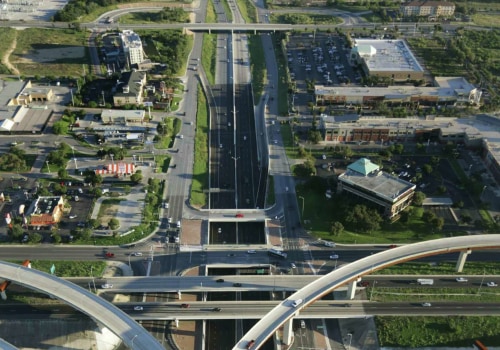
Recent expansions include new light rail routes that connect underserved areas to major employment centers, making it easier for residents to access jobs, education, and essential services. Additionally, the expansion of streetcar services has provided a convenient option for short-distance travel within the city, particularly in areas like the Bishop Arts District and downtown Dallas. In parallel with public transit improvements, significant road infrastructure projects aim to alleviate traffic congestion that plagues many parts of the city. Initiatives such as the reconstruction of major highways and the addition of new lanes on busy thoroughfares are designed to enhance traffic flow and reduce travel times. One notable project includes the ongoing work on the I-30 corridor, which is expected to improve connectivity between various neighborhoods while reducing bottlenecks during peak hours.
These efforts not only benefit individual commuters but also support local businesses by facilitating smoother access to customers and suppliers. Accessibility remains a central concern for many Dallas residents, prompting local leaders to prioritize inclusive solutions within their transportation initiatives. The city has been actively working to ensure that public transit is accessible for individuals with disabilities. Enhancements such as low-floor buses and improved station facilities have made it easier for everyone to navigate the transit system. Furthermore, community feedback has led to the development of programs that cater to the specific needs of various populations, ensuring that no one is left behind in the pursuit of improved mobility. Sustainability is another critical aspect of Dallas's transportation initiatives.
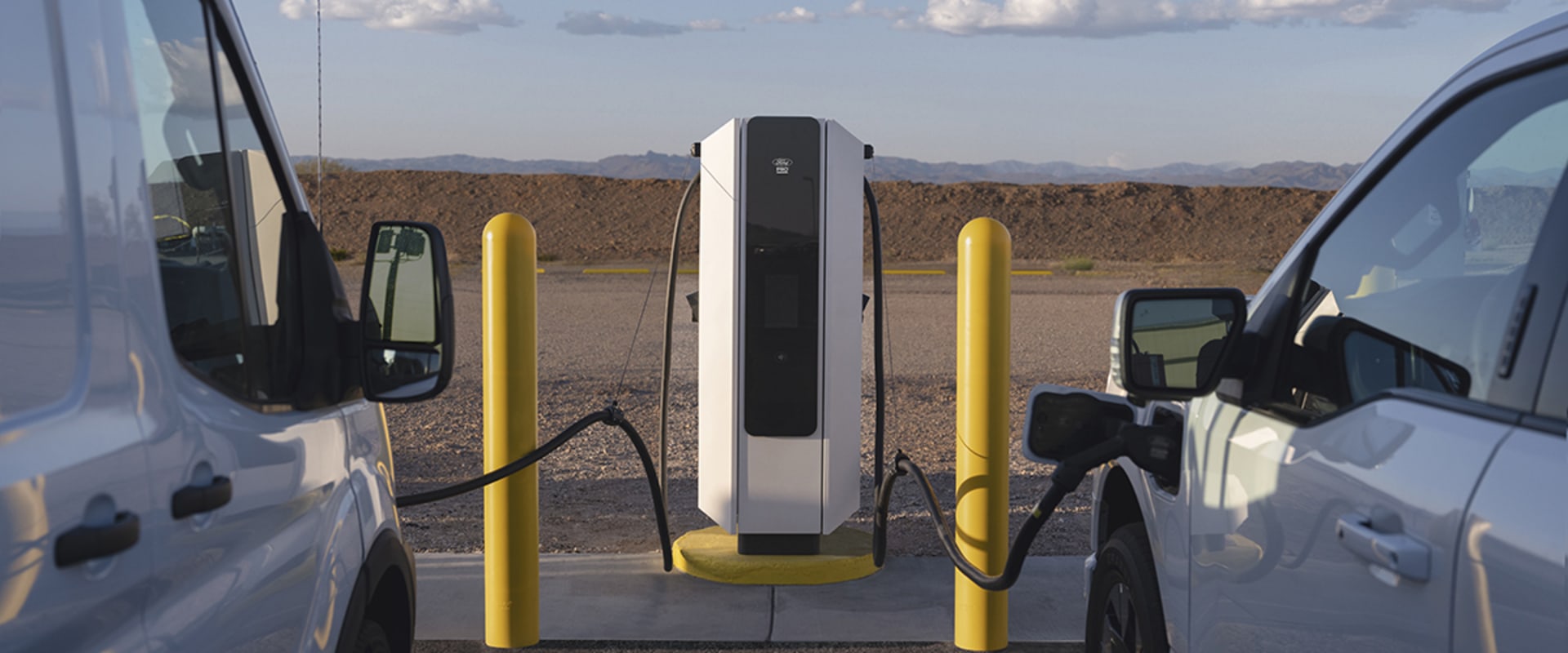
The city has recognized the importance of reducing its carbon footprint and promoting environmentally friendly practices. One such initiative involves the installation of dedicated bike lanes throughout key areas of Dallas, encouraging cycling as a viable alternative to driving. This not only helps reduce traffic congestion but also promotes healthier lifestyles among residents. Additionally, electric vehicle charging stations are being integrated into public parking facilities, making it easier for drivers to choose eco-friendly vehicles. The collaborative efforts between local government officials, transportation agencies, and community stakeholders play a vital role in shaping these initiatives.
Public forums and stakeholder meetings have provided platforms for residents to voice their concerns and contribute ideas, ensuring that projects reflect community needs. The involvement of various organizations, including non-profits focused on sustainable transit options, has further enriched these discussions and led to more comprehensive solutions. Residents have expressed mixed feelings about some transportation initiatives, particularly regarding funding and effectiveness. While many applaud the city’s commitment to enhancing public transit and infrastructure, concerns about budget allocations often arise. Some community members worry that funding for certain projects may divert resources from other pressing needs.
Addressing these counterarguments thoughtfully is crucial; city officials can highlight how investments in transportation ultimately lead to long-term economic benefits through increased accessibility and reduced traffic-related costs. Furthermore, testimonials from residents illustrate the real-life impact of these initiatives. Many individuals have shared positive experiences regarding reduced commute times due to improved public transit options or enhanced road conditions. Local business owners have noted an uptick in customer visits since transit expansions made their locations more accessible. These stories underscore the tangible benefits that thoughtful planning can bring to the community. In conclusion, transportation initiatives in Dallas represent a vital effort to shape a more connected and sustainable city.
By focusing on expanding public transit options, improving road infrastructure, addressing accessibility concerns, and promoting sustainability, Dallas is paving the way for a brighter future where mobility supports economic growth and enhances quality of life for all its residents.
Sustainable Transportation Solutions
As Dallas continues to evolve, the emphasis on sustainable transportation solutions is becoming increasingly vital. The city has made significant strides in developing infrastructure that promotes eco-friendly commuting options, particularly through the expansion of bike lanes and the installation of EV charging stations.The introduction of dedicated bike lanes throughout the city not only encourages cycling as a viable mode of transport but also enhances safety for cyclists. These lanes are designed to create a more bike-friendly environment, reducing reliance on automobiles and thus contributing to lower carbon emissions. With more residents choosing bicycles for their daily commutes, the city is witnessing a positive shift towards healthier lifestyles and reduced traffic congestion. In tandem with the growth of cycling infrastructure, the rollout of EV charging stations across Dallas is pivotal in supporting electric vehicle adoption.By providing accessible charging options, the city is making it easier for residents to switch to electric vehicles, which are crucial for achieving long-term sustainability goals. This initiative not only caters to environmentally conscious drivers but also aligns with broader efforts to reduce air pollution and promote cleaner energy sources. Together, these sustainable transportation initiatives are reshaping the commuting experience in Dallas, fostering a community that prioritizes green solutions and enhances the overall quality of life for its residents.
Road Infrastructure Developments
In recent years, Dallas has witnessed significant advancements in its road infrastructure, aimed at addressing the growing traffic congestion that plagues the city. Major construction projects have been launched to enhance connectivity and facilitate smoother commutes for residents and visitors alike. One of the most notable projects includes the expansion of the I-635 corridor, which is designed to alleviate bottlenecks and improve traffic flow through one of the busiest areas in the region. Additionally, the Dallas North Tollway is undergoing improvements that will not only increase capacity but also incorporate modern technology for better traffic management.These upgrades are crucial as they aim to accommodate the rising number of vehicles on the road while also supporting public transportation initiatives. Furthermore, the ongoing enhancements to local streets and intersections are focused on improving safety and accessibility for all users, including pedestrians and cyclists. The city has committed to creating more bike lanes and safer crosswalks, reflecting a comprehensive approach to road infrastructure that prioritizes community needs. These road construction projects are not just about easing traffic; they play a vital role in boosting local economies by facilitating better access to businesses and services across Dallas. As these initiatives progress, residents can look forward to a more efficient transportation network that enhances their overall quality of life.
Community Engagement and Feedback
Community engagement is a vital aspect of transportation planning in Dallas, ensuring that the voices of local residents are heard and considered in the decision-making process. By actively involving the community, city planners can create initiatives that truly reflect the needs and desires of those who live and work in the area. One of the primary ways residents are included in the planning process is through public meetings and workshops.These forums allow citizens to share their thoughts on proposed transportation projects, voice concerns, and suggest improvements. Feedback collected during these sessions is instrumental in shaping final plans, as it provides valuable insights into how different demographics use transportation services. Additionally, Dallas has embraced digital platforms to enhance community participation. Online surveys and interactive maps enable residents to provide feedback conveniently from their homes. This approach not only broadens participation but also engages younger populations who are more comfortable with technology. Moreover, local advocacy groups play a crucial role in representing community interests.
These organizations often collaborate with city officials to advocate for specific transportation initiatives, ensuring that underrepresented voices are amplified in discussions about public transit options, bike lanes, and pedestrian pathways. Overall, the integration of community feedback into transportation planning fosters a sense of ownership among residents and leads to more effective and sustainable solutions for Dallas's transportation challenges.
Public Transit Enhancements
In recent years, Dallas has made significant strides in enhancing its public transit system, particularly through the DART (Dallas Area Rapid Transit) services. These upgrades are essential in addressing the growing transportation needs of the city's residents and visitors. The DART system has implemented several key improvements aimed at increasing efficiency and accessibility. One of the most notable upgrades includes the expansion of DART services, which now feature increased frequency on popular routes. This means that commuters can enjoy shorter wait times and more reliable service, making public transit a viable option for daily commutes.Additionally, the introduction of new streetcar routes has made it easier for residents to navigate between key neighborhoods and local attractions, further promoting the use of public transportation. The new streetcar routes connect vital areas, such as downtown Dallas to the historic districts, allowing residents to enjoy a seamless travel experience without the hassle of parking or traffic congestion. These enhancements are not just about convenience; they also play a crucial role in reducing the city's carbon footprint by encouraging more people to opt for public transit over personal vehicles. Moreover, these improvements have a ripple effect on local businesses, as easy access to public transportation increases foot traffic in commercial areas. As more people utilize DART services and streetcars, local shops and restaurants can expect higher patronage, which ultimately supports the local economy. In summary, the recent upgrades to DART services and the introduction of new streetcar routes are pivotal in transforming the public transit landscape in Dallas. These enhancements not only improve daily commutes but also contribute to a better quality of life for all residents. In conclusion, the transportation initiatives currently underway in Dallas are pivotal for enhancing the city’s infrastructure and improving the quality of life for its residents.
We have explored key areas such as public transit enhancements, road infrastructure developments, and sustainable transportation solutions, all of which play a crucial role in shaping a more efficient and accessible transportation system. Moreover, the emphasis on community engagement ensures that the voices of Dallas residents are heard and considered in shaping future policies. These initiatives not only streamline daily commutes but also bolster local businesses and foster a stronger sense of community. As we look ahead, it is essential for residents to stay informed about ongoing developments and actively participate in discussions regarding transportation policies. Your involvement can help drive positive changes that benefit everyone in Dallas.