Long-term Climate Change Impacts on Dallas: A Local Perspective
Discover how long-term climate change is affecting Dallas, including local weather patterns, community impacts, and future outlook.
As the world grapples with the undeniable consequences of climate change, cities like Dallas face unique challenges that may profoundly alter their landscapes, economies, and daily lives. The long-term climate change impacts on Dallas are not merely a distant concern; they are unfolding before our eyes, reshaping the very fabric of this vibrant city. From increasing temperatures to shifting precipitation patterns, the implications of a warming climate are vast and varied. To navigate these changes effectively, it’s crucial to consider Expert Insights Understanding the Average Summer Temperature.In this article, we will delve into the myriad ways that climate change is expected to influence Dallas over the coming decades. are not merely a distant concern; they are unfolding before our eyes, reshaping the very fabric of this vibrant city. From increasing temperatures to shifting precipitation patterns, the implications of a warming climate are vast and varied. To navigate these changes effectively, it’s crucial to consider Expert Insights Understanding the Average Summer Temperature. In this article, we will delve into the myriad ways that climate change is expected to influence Dallas over the coming decades.
How will rising temperatures affect our summers? What changes can we anticipate in rainfall patterns, and how might these shifts impact local ecosystems and water resources? By examining these questions, we aim to provide a comprehensive overview of the challenges that lie ahead for Dallas residents. Understanding these long-term impacts is essential for preparing for the future. It is not just about recognizing the symptoms of climate change but also about fostering resilience within our communities. As we explore these critical issues, we invite you to consider what actions can be taken today to safeguard Dallas for generations to come. The **long-term climate change impacts** on Dallas are becoming increasingly significant, prompting both concern and action among local residents and officials. As a city that has historically experienced a range of weather phenomena, the effects of climate change are now more pronounced, with residents witnessing shifts in their environment that warrant attention.
Recent weather events such as unusually high temperatures, heavy rainfall, and severe storms have sparked local interest in understanding how these changes will affect the future of Dallas. One of the most pressing concerns is the **increase in average temperatures** across the region. According to data from the National Oceanic and Atmospheric Administration (NOAA), Dallas has seen a rise in average temperatures by approximately 2°F over the past few decades, with projections indicating a potential increase of up to 7°F by the end of the century if current trends continue. This rise in temperature contributes to more frequent and intense **heatwaves**, which can pose serious risks to public health, particularly for vulnerable populations such as the elderly and those with pre-existing health conditions. In addition to rising temperatures, **changes in precipitation patterns** are becoming evident. Historically, Dallas has experienced a fairly stable rainfall pattern, but recent trends show increased variability in precipitation.
The U.S. Geological Survey notes that while some years see heavy rainfall leading to **flooding incidents**, others experience significant drought conditions. For instance, in 2015, Dallas recorded over 50 inches of rain, leading to widespread flooding, while just a few years later, the city faced severe drought conditions that affected local water supplies and agriculture. These fluctuations in weather patterns have profound implications for **local agriculture**. Farmers in the Dallas area are increasingly challenged by **droughts**, which can lead to reduced crop yields and increased irrigation costs.
The Texas A&M AgriLife Extension Service reported that prolonged periods of drought can reduce corn yields by up to 50%, significantly impacting food production and local economies. Moreover, unexpected heavy rains can lead to crop damage and soil erosion, further complicating agricultural sustainability. The impact of climate change is also evident in the city’s **infrastructure**. As extreme weather events become more common, Dallas must adapt its infrastructure to withstand these challenges. Flooding can overwhelm stormwater systems, leading to property damage and costly repairs.
The city has begun implementing strategies such as upgrading drainage systems and increasing green spaces to absorb excess rainwater. However, these adaptations require substantial investment and long-term planning. Moreover, the **public health implications** of climate change cannot be overstated. Rising temperatures and increased humidity create favorable conditions for heat-related illnesses and exacerbate respiratory issues due to poor air quality. The Centers for Disease Control and Prevention (CDC) highlights that higher temperatures can lead to an uptick in emergency room visits for heat exhaustion and heat stroke during peak summer months.
Additionally, changes in climate can affect the spread of vector-borne diseases, posing new challenges for public health officials. In response to these challenges, community responses have emerged that reflect a growing awareness of climate issues among residents and local leaders. City planning adaptations are being discussed at various levels of government. For example, the City of Dallas has initiated projects focused on sustainability, including tree planting initiatives aimed at increasing urban canopy cover to mitigate heat effects and improve air quality. Local advocacy groups are also mobilizing residents to participate in discussions about climate action plans, emphasizing the importance of reducing greenhouse gas emissions and transitioning to renewable energy sources. However, these initiatives are not without controversy.
Different community stakeholders often have varying opinions on climate policies. Some business leaders argue that stringent regulations could hinder economic growth or job creation, while environmental advocates stress the urgent need for action to protect public health and natural resources. Balancing these perspectives is crucial for developing effective strategies that address the **long-term climate change impacts** facing Dallas. In conclusion, understanding and addressing the long-term impacts of climate change is essential for Dallas residents as they navigate an uncertain future shaped by rising temperatures, changing precipitation patterns, and extreme weather events. The ongoing dialogue among community members about appropriate responses will play a key role in shaping effective policies that protect both people and the environment.
Changing Rainfall Patterns and Their Effects
The ongoing climate change phenomenon is altering rainfall patterns in the Dallas area, leading to significant implications for both local water supply and agriculture.Traditionally, Dallas has experienced a fairly predictable rainfall distribution, but recent trends indicate a shift towards more extreme weather events and irregular precipitation. These changes have profound effects on the local water supply. As rainfall becomes less predictable, periods of drought can become more severe, straining the reservoirs that supply drinking water to the city. Increased evaporation rates due to higher temperatures further exacerbate this issue, making it crucial for local authorities to adapt water management strategies. In addition to water supply challenges, the changing rainfall patterns also impact agriculture. Farmers in the region rely on consistent rainfall to maintain crop yields.
However, with the occurrence of heavy downpours followed by dry spells, crops may face both flooding and drought stress. This inconsistency not only threatens food production but also affects the economic stability of farming communities in the area. Understanding these shifts in rainfall is essential for residents, as they highlight the need for proactive measures to safeguard water resources and support local agriculture. By recognizing the implications of changing rainfall patterns, the Dallas community can work towards sustainable solutions that mitigate the long-term effects of climate change.
Increased Frequency of Extreme Weather Events
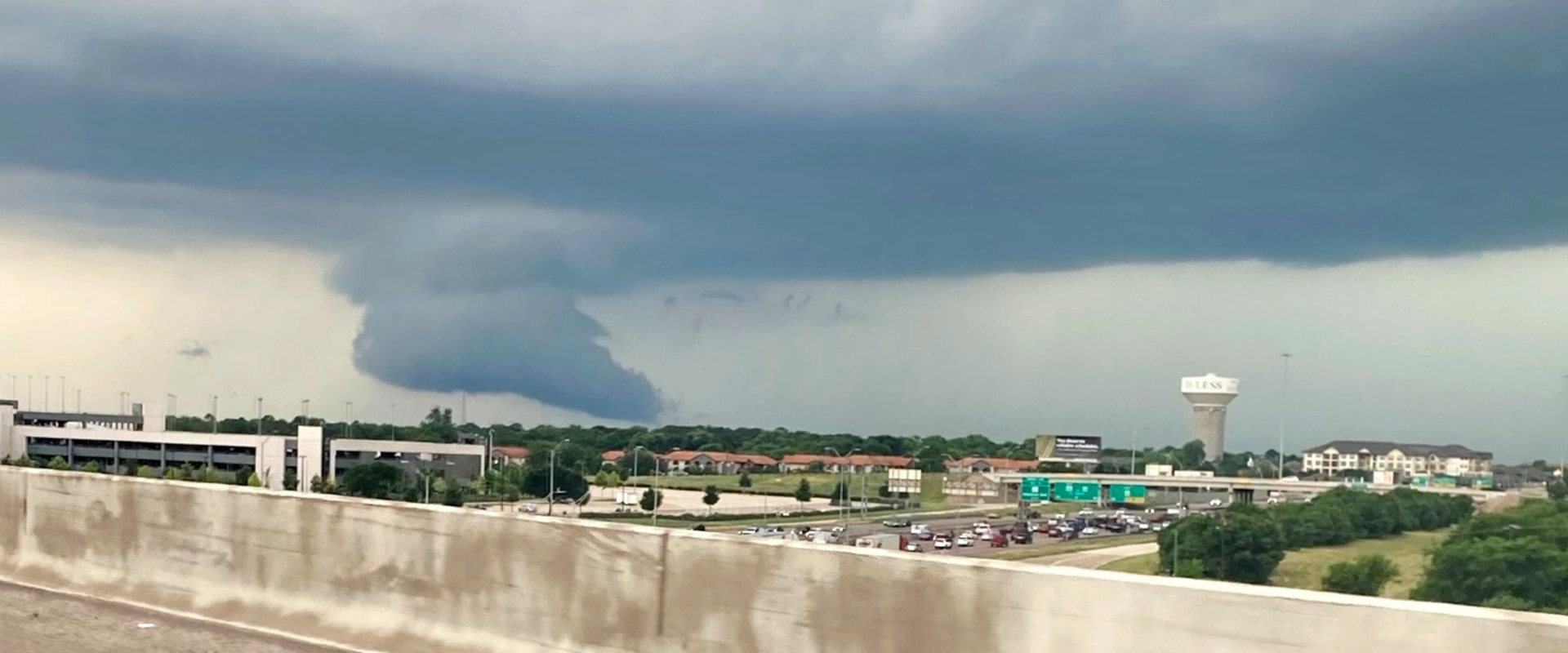
The city of Dallas has experienced a noticeable uptick in the frequency of extreme weather events over the past few years. Residents recall the intense storms, record-breaking heatwaves, and unexpected cold snaps that have disrupted daily life.These occurrences are not merely random fluctuations; they align with broader climate change trends that have been observed globally. For instance, the summer of 2023 saw Dallas grappling with one of its hottest seasons on record, with temperatures soaring above 100 degrees Fahrenheit for multiple consecutive days. This extreme heat not only strained energy resources but also raised concerns about public health and safety. Such events are increasingly linked to the larger narrative of climate change, where rising global temperatures contribute to more intense and prolonged heat waves. Additionally, Dallas experienced significant rainfall events leading to flash flooding, which overwhelmed local drainage systems. The torrential downpours in spring 2023 were among the heaviest recorded in recent history, resulting in damage to infrastructure and homes.
The frequency of these heavy rainfall events can be attributed to climate change, which alters precipitation patterns and increases the likelihood of extreme weather. Moreover, the occurrence of severe thunderstorms has become more common in recent years, often accompanied by damaging winds and hail. These storms can be devastating for agriculture and property alike. Understanding these extreme weather events is essential for residents and policymakers, as it underscores the urgent need for effective adaptation and mitigation strategies to address the long-term impacts of climate change in Dallas.
Rising Temperatures: A New Normal for Dallas
Rising temperatures have become a defining characteristic of climate change in Dallas, with significant implications for both the environment and the residents. Over the last few decades, average temperatures in the area have shown a noticeable upward trend, with summer months becoming increasingly hotter and longer.According to historical weather data, the average temperature in Dallas has risen by approximately 2°F over the past century, with projections suggesting an increase of up to 5°F by the end of the 21st century if current trends continue. This rise in temperatures can lead to a variety of challenges for Dallas residents. One immediate concern is the increased frequency of heat waves, which can pose health risks, particularly for vulnerable populations such as the elderly and those with pre-existing health conditions. Additionally, higher temperatures can exacerbate air quality issues, leading to increased levels of ground-level ozone and other pollutants. The implications extend beyond health; hotter weather patterns can also affect local ecosystems and agriculture. Farmers may find it increasingly difficult to grow certain crops due to heat stress and altered precipitation patterns.
Furthermore, urban areas may experience intensified urban heat island effects, where built environments trap heat and lead to even higher local temperatures compared to surrounding rural areas.Community Adaptation Strategies
As the city of Dallas grapples with the long-term impacts of climate change, local initiatives play a crucial role in fostering resilience and adaptation within the community. Understanding the specific challenges posed by climate change, such as increased temperatures and extreme weather events, has prompted city officials and residents to take proactive measures to mitigate these effects. One significant initiative is the Dallas Climate Action Plan, which outlines strategies to reduce greenhouse gas emissions and enhance sustainability throughout the city. This plan not only focuses on improving energy efficiency in buildings but also emphasizes the importance of expanding green spaces and investing in renewable energy sources. Additionally, the city has implemented programs aimed at enhancing urban resilience.
These programs include flood mitigation projects, which aim to manage stormwater more effectively and reduce flooding risks associated with heavy rainfall and extreme weather events. By upgrading drainage systems and creating more permeable surfaces, Dallas is working towards a safer environment for its residents. Community engagement is also a key component of Dallas's adaptation strategies. Local organizations are hosting workshops and events to raise awareness about climate change and its impacts, encouraging residents to participate in sustainability practices such as tree planting and water conservation efforts. Through collaboration with schools and community groups, Dallas is fostering a culture of environmental stewardship among its citizens. Moreover, the Dallas Urban Forest Master Plan aims to increase tree canopy coverage across the city, which can help mitigate heat effects and improve air quality.
Trees not only provide shade but also absorb carbon dioxide, making them essential allies in combating climate change. These community adaptation strategies highlight Dallas's commitment to addressing climate change at a local level, ensuring that both current and future generations can thrive in an ever-changing environment. In conclusion, the long-term climate change impacts on Dallas are becoming increasingly evident through rising temperatures, changing rainfall patterns, and an increased frequency of extreme weather events. These shifts not only affect the environment but also pose significant challenges for local communities, necessitating robust community adaptation strategies. It is essential for residents to recognize the importance of these developments, as they shape the future of our city. As we move forward, staying informed about local climate trends and participating in community initiatives will be critical. By engaging with fellow residents and local organizations, we can work together to mitigate the impacts of climate change and create a more resilient Dallas.