Latest Developments in Dallas Legislation
Get the latest updates on local legislation in Dallas, including political happenings, community issues, and more.
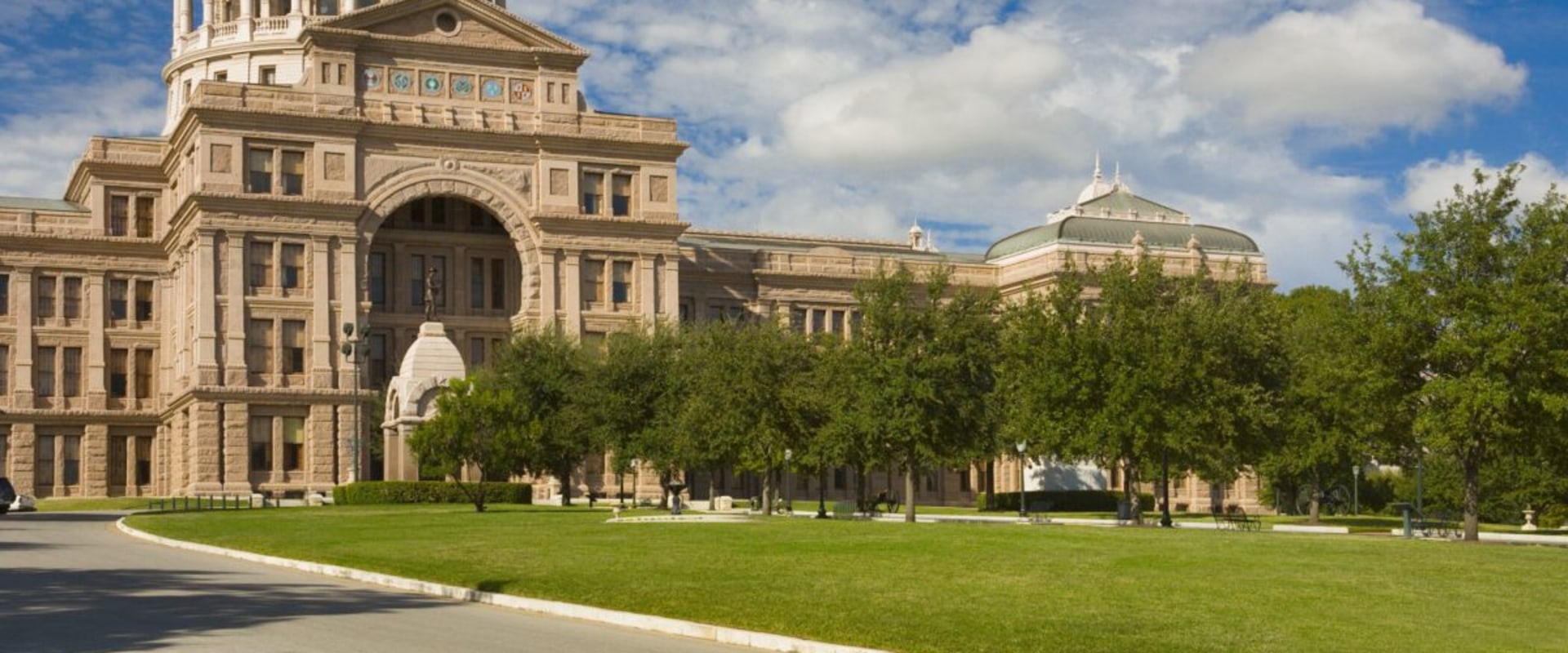
In the ever-evolving landscape of urban governance, staying informed about updates on local legislation is crucial for every resident. As Dallas continues to grow and transform, the decisions made by our local government have a profound impact on our communities, neighborhoods, and daily lives. This article delves into the latest developments in Dallas legislation, shedding light on significant changes that could shape the future of our city. Whether you are a concerned citizen, a business owner, or simply someone who wants to be in the know, understanding the legislative shifts in Dallas is vital. From new policies aimed at economic development to regulations that affect public safety and environmental sustainability, each piece of legislation tells a story about the direction our city is headed. Join us as we explore the recent legislative updates, analyze their implications, and discuss how they align with the aspirations of Dallas residents.
With important decisions on the horizon, this is your opportunity to engage with the issues that matter most. Let's dive into the heart of local governance and uncover what these developments mean for you. Staying informed on local legislation is crucial for residents of Dallas, as recent developments can significantly influence everyday life and the community's future. Over the past few months, several important legislative changes and proposals have emerged from the Dallas City Council and the Texas State Legislature, sparking public interest and debate among citizens. One of the most significant pieces of legislation recently passed is the is crucial for residents of Dallas, as recent developments can significantly influence everyday life and the community's future. Over the past few months, several important legislative changes and proposals have emerged from the Dallas City Council and the Texas State Legislature, sparking public interest and debate among citizens. One of the most significant pieces of legislation recently passed is the affordable housing initiative, which aims to address the growing housing crisis in Dallas. This initiative was approved by the City Council in response to rising rent prices and an increasing number of residents facing homelessness.
The plan includes measures to incentivize developers to create affordable housing units, with a goal of increasing the percentage of affordable homes in new developments by 20% over the next five years. Local officials, including Council Member Cara Mendelsohn, emphasized that "we must ensure that all Dallas residents have access to safe and affordable housing" during discussions surrounding this initiative. In addition to housing, the City Council has also been active in proposing changes to public transportation. A new proposal seeks to expand the DART (Dallas Area Rapid Transit) system to underserved neighborhoods, enhancing connectivity and reducing reliance on personal vehicles. This proposal has garnered support from community leaders who argue that improved public transit options will not only ease traffic congestion but also promote economic growth in these areas.
However, some residents express concern over funding for such expansions, fearing that it may divert resources from other essential services. The recent legislative changes also encompass education, particularly with regard to funding for public schools. A proposed state law aims to increase funding for Dallas Independent School District (DISD) by reallocating existing state funds to prioritize low-income schools. Proponents believe this will help close the educational achievement gap, while opponents argue that it could lead to budget shortfalls in other districts, prompting a heated public debate. DISD Superintendent Dr.
Stephanie Elizalde stated, "Every child deserves a quality education, and we must work collaboratively to ensure resources are equitably distributed across our city." This statement has resonated with many parents advocating for better educational opportunities. Public safety remains a top priority for both local lawmakers and residents alike. Recent discussions on police reform have raised questions about transparency and accountability within the Dallas Police Department. Following a series of high-profile incidents, a proposed ordinance has been introduced to mandate body cameras for all officers on duty. Advocates argue that this measure could build trust between law enforcement and the community, while critics worry about potential privacy violations and the effectiveness of body cameras in actually preventing misconduct.
Local activist groups have organized town hall meetings to voice their concerns and encourage community participation in this ongoing dialogue. The reactions from residents regarding these legislative developments have been mixed. While many express optimism about the potential benefits, others voice skepticism about implementation and long-term sustainability. For instance, community forums reveal a divide among residents regarding the affordable housing initiative—some see it as a necessary step towards equity, while others question whether it will truly alleviate the housing crisis or simply serve as a temporary fix. Statistics underscore the urgency of these issues; according to recent reports, nearly 30% of Dallas residents spend more than 30% of their income on housing. Additionally, educational performance metrics indicate that students in low-income areas score significantly lower on standardized tests compared to their peers in more affluent neighborhoods. As these legislative changes unfold, it is essential for Dallas residents to remain engaged and informed.
The impact of local legislation reverberates throughout various aspects of life in the city—from housing and education to transportation and public safety. By understanding these developments and participating in discussions, residents can play an active role in shaping their community's future.
Community Reactions and Involvement
As local legislation evolves, the response from residents in Dallas has been both passionate and varied. Many community members are actively engaging in discussions about the recent changes, with a notable increase in attendance at community meetings. These gatherings serve as a platform for residents to voice their concerns, ask questions, and propose alternative solutions to the proposed measures. In response to significant legislative changes, some residents have organized protests to express their opposition.These events have drawn attention not only from local media but also from neighboring communities who share similar concerns. The vibrant demonstrations highlight the importance of civic engagement and the community's desire to have a say in the decisions that affect their daily lives. Additionally, social media has played a crucial role in mobilizing residents and spreading awareness about these legislative issues. Online forums and groups dedicated to discussing local government actions have seen increased activity, allowing residents to connect and collaborate on advocacy efforts. The collective response underscores the critical need for transparency and communication between local officials and the community. As Dallas continues to navigate these legislative updates, it is clear that the voices of its residents will be instrumental in shaping the future of their city.
Recent Legislative Changes
In the past few months, several key bills have been passed by the Dallas City Council that could significantly impact residents.One noteworthy piece of legislation is the Affordable Housing Initiative, which aims to increase the availability of affordable housing units in the city. This initiative is especially crucial given the rising cost of living and housing prices in Dallas. It is expected to provide relief for low- and middle-income families, allowing them to secure stable housing without financial strain. Another important legislative change is the Public Safety Funding Bill. This bill allocates additional resources to local law enforcement and emergency services, aiming to enhance community safety.
Residents can expect improvements in response times and increased support for community policing efforts, which may foster better relationships between law enforcement and the communities they serve. The Environmental Protection Act is also a significant recent development. This legislation introduces stricter regulations on waste management and pollution control, reflecting a growing commitment to sustainability in Dallas. Residents will notice changes in how waste is collected and managed, promoting a cleaner environment and potentially improving public health. Lastly, the Transportation Improvement Plan has been passed to address infrastructure issues throughout the city. This plan includes funding for road repairs, public transit enhancements, and bike lane expansions.
For many residents, this means safer commutes and better accessibility to various parts of Dallas, ultimately contributing to a more connected community.
Looking Ahead: Upcoming Legislation
As residents of Dallas navigate the complexities of local governance, it is crucial to stay informed about upcoming legislation that could significantly influence our community. Several proposals are on the horizon that warrant attention and discussion among citizens. One major initiative that has been proposed is the Affordable Housing Act, aimed at addressing the growing concerns over housing affordability in Dallas. This legislation seeks to implement zoning changes that will facilitate the construction of more affordable housing units. If passed, this act could help alleviate some of the pressures faced by low- and middle-income families in securing stable housing. Additionally, there is an upcoming vote on a Green Energy Initiative that aims to promote renewable energy sources throughout the city.This initiative not only seeks to reduce Dallas's carbon footprint but also aims to create job opportunities in the green energy sector. Residents should be aware of how this legislation may affect energy costs and environmental sustainability in their neighborhoods. Another significant proposal on the agenda is the Public Safety Reform Bill, which is designed to enhance community policing efforts and improve relations between law enforcement and residents. This bill has sparked considerable debate, as it addresses issues of public safety, trust, and accountability within the police force. Understanding the implications of this reform is essential for community members who wish to engage in discussions about safety and security. As these legislative proposals move forward, it is imperative for Dallas residents to stay engaged and informed.
The outcomes of these initiatives will not only shape our local policies but also impact daily life for all citizens. Keeping abreast of these developments ensures that residents can advocate for their interests and contribute to a vibrant civic dialogue. In conclusion, the latest developments in Dallas legislation have showcased significant changes that affect our community and daily lives. From recent legislative changes to the reactions from residents, it is clear that staying informed is crucial for understanding how these updates influence our environment. As we look ahead to upcoming legislation, we encourage every resident to actively engage with local government processes. Your voice matters, and participation in community discussions can help shape the future of our city.