Understanding Winter Storm Advisories in Dallas
Stay informed about winter storm advisories in Dallas, including weather updates, safety tips, and local impacts.
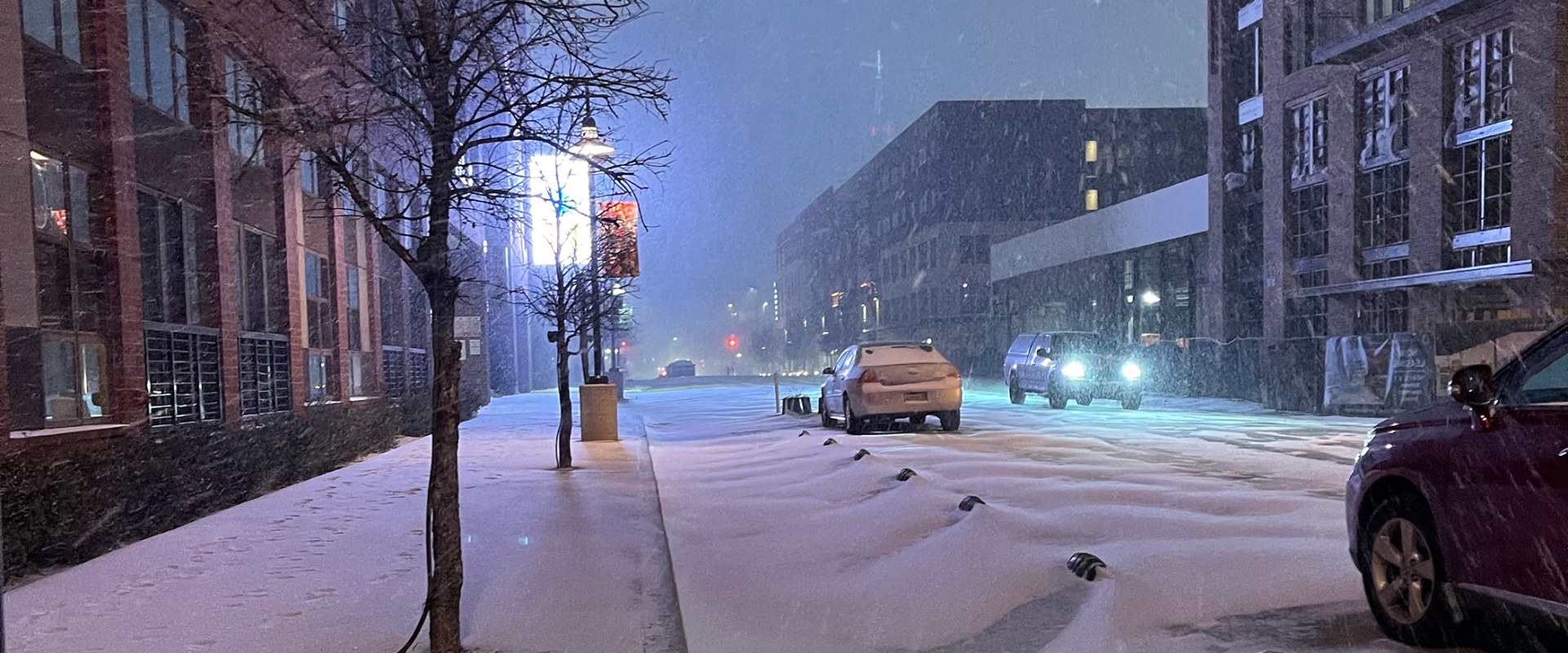
As winter descends upon the city of Dallas, residents must remain vigilant and informed about the weather conditions that can significantly impact their daily lives. Among the most critical alerts issued by meteorological agencies are winter storm advisories, which serve as essential notifications for impending severe weather. Understanding these advisories is crucial for ensuring safety and preparedness during the cold months. Dallas, known for its warm summers and mild winters, can still face unexpected weather challenges. A sudden drop in temperatures combined with precipitation can create hazardous conditions, making it imperative for citizens to stay updated on the latest forecasts and warnings.
Winter storm advisories provide vital information regarding potential snow, ice accumulation, and other risks associated with winter storms. In this article, we will delve into the nuances of winter storm advisories, exploring what they entail, how they are issued, and why they matter to the residents of Dallas. By understanding these important alerts, you can better prepare yourself and your family for whatever winter may bring. Let’s take a closer look at the significance of these advisories and how they play a pivotal role in keeping our community safe during winter storms. Winter storms can bring a variety of challenges to residents in Dallas, making winter storm advisories an essential aspect of public safety and preparedness. Understanding the criteria for issuing these advisories is crucial for residents to gauge the seriousness of impending weather.
Typically, a winter storm advisory is issued when there is a likelihood of significant winter weather, which may include conditions such as snowfall exceeding a certain accumulation, freezing rain, or sleet. The National Weather Service (NWS) establishes specific thresholds that help meteorologists determine when to alert the public. For example, if forecasters expect two inches of snow within a 12-hour period or ice accumulations of a quarter inch or more, an advisory will likely be issued. Local meteorologists play a vital role in monitoring the ever-changing weather patterns that lead to these advisories. Utilizing sophisticated technology like radar systems and satellite imagery, they analyze atmospheric data to predict storm developments accurately.
Once they identify conditions that warrant action, they promptly communicate winter storm advisories through various channels, including television broadcasts, social media updates, and automated alerts via text messages. This timely communication helps ensure that residents have the information they need to prepare for severe winter weather. The effects of winter storms on daily life in Dallas can be significant. Travel disruptions are often one of the first impacts felt by the community. Icy roads and hazardous conditions can lead to accidents and delays, prompting many to reconsider their travel plans.
Schools frequently respond by closing or delaying openings, prioritizing student safety during inclement weather. Local events may also be affected, with organizers often having to cancel or postpone activities until conditions improve. For instance, during the winter storm in February 2021, many schools across the Dallas area closed for multiple days due to dangerous road conditions and power outages caused by ice accumulation. Residents heeded the winter storm advisories issued prior to the event, with many staying home from work or rescheduling appointments to avoid the hazardous conditions. Similarly, the February 2021 event not only brought snow but also extreme cold temperatures that led to widespread power outages across the region. As residents faced unprecedented challenges, community organizations stepped up to provide assistance to those in need. However, there can be disagreements regarding the severity of weather predictions. Some individuals may downplay the significance of winter storm advisories, believing that forecasts tend to exaggerate potential impacts. This attitude can lead to complacency during critical situations when preparation is key. It is essential for residents to understand that even if an advisory seems overly cautious at times, it is better to err on the side of caution than to dismiss warnings altogether. Taking all advisories seriously can save lives and minimize disruptions during severe weather events.What Triggers a Winter Storm Advisory?
A winter storm advisory is issued by meteorological agencies when specific weather conditions are forecasted that could pose a risk to safety and daily activities. Several key factors determine when an advisory is necessary, including temperature thresholds, expected snowfall, and ice accumulation. Firstly, temperature plays a crucial role.
Typically, a winter storm advisory is triggered when temperatures are forecasted to be at or below 32 degrees Fahrenheit. When temperatures hover around this freezing point, any precipitation that falls can lead to hazardous conditions. Secondly, the amount of expected snowfall is a significant factor. Most advisories are issued when snowfall is anticipated to reach between 1 to 4 inches within a 12-hour period. This amount can create dangerous driving conditions and lead to disruptions in daily life. In addition to snowfall, ice accumulation can also trigger a winter storm advisory.
When freezing rain is expected, even a small amount of ice can create treacherous conditions on roads and sidewalks. An accumulation of just a few hundredths of an inch can result in dangerous travel conditions and power outages. Ultimately, the issuance of a winter storm advisory is based on a combination of these meteorological conditions. By understanding what triggers these advisories, Dallas residents can better prepare for winter weather and take appropriate safety measures when severe storms are on the horizon.
How to Stay Safe During a Winter Storm
When a winter storm hits Dallas, it is essential for residents to prioritize their safety and well-being. Here are some practical safety tips to help you navigate severe weather conditions effectively.Travel Precautions:
If you must travel during a winter storm, ensure your vehicle is winter-ready.Check your tires, battery, and fluids before heading out. Always carry an emergency kit that includes blankets, food, water, a flashlight, and a first-aid kit. Avoid driving on icy roads if possible; if you must, drive slowly and maintain a safe distance from other vehicles.
Emergency Preparedness:
Prepare your home for potential power outages by stocking up on non-perishable food and water supplies. Have a battery-powered radio to stay updated on weather alerts and emergency announcements.Make sure your heating system is functional and consider alternative heating sources, such as space heaters (with proper ventilation) or fireplaces.
Staying Informed:
Keep up with local news stations and weather apps for the latest updates on winter storm advisories. The National Weather Service provides timely information that can help you make informed decisions about your safety. Sign up for local alerts to receive notifications directly to your phone regarding severe weather conditions in your area. By following these safety tips, Dallas residents can better prepare for winter storms and minimize risks associated with severe weather events.Local Resources for Weather Updates
When it comes to staying informed about winter storm advisories in Dallas, residents have a variety of resources at their disposal. Local news channels are one of the most reliable sources for timely updates.Channels like WFAA Channel 8, NBC DFW, and Fox 4 News provide regular weather reports and updates during severe weather events. These stations often have dedicated meteorologists who specialize in tracking winter weather patterns and can provide critical information. In addition to television news, several websites are essential for real-time updates. The National Weather Service (NWS) website offers comprehensive forecasts and alerts specifically tailored for the Dallas area. Other helpful websites include Weather.com and AccuWeather, which provide detailed forecasts, radar images, and alerts on upcoming winter storms. Social media also plays a vital role in disseminating information quickly.
Following local news stations on platforms like Twitter, Facebook, and Instagram can keep you updated on the latest weather advisories. Accounts such as @wfaa, @NBCDFW, and @FOX4 frequently post updates regarding current weather conditions and any impending winter storm warnings. By utilizing these local resources, Dallas residents can ensure they receive the latest information on winter storm advisories, allowing them to prepare adequately and stay safe during severe weather events.
Impact on Dallas Community
Winter storms can have a profound impact on the Dallas community, affecting various aspects of daily life. When severe weather strikes, local infrastructure often faces significant challenges. Roads become hazardous due to ice and snow, leading to increased accidents and traffic delays.The city’s snow removal resources are put to the test, as maintaining safe travel conditions becomes a priority for city officials. Schools also feel the strain during winter storms. Many districts are forced to close or delay openings, disrupting students' education and parents' work schedules. Local leaders have noted that these closures not only affect academic progress but also place additional stress on families who rely on school services for childcare. Businesses in Dallas are similarly impacted by winter storm advisories. Retailers may see a drop in foot traffic as residents choose to stay home, and some businesses may even close temporarily to ensure the safety of their employees.
According to local business owner Jane Smith, "Last winter's storm forced us to shut down for several days. It was tough, but we prioritized our employees’ safety above all else."The community's response to these events is crucial. Many residents band together to help one another during severe weather, whether it's assisting neighbors with snow removal or providing warm meals. Community leader John Doe emphasized, "In times of crisis, Dallas shows its strength and resilience.
We come together to support each other, proving that even the harshest winter can’t freeze our unity." These experiences highlight the importance of winter storm advisories, as timely information allows residents to prepare adequately and mitigate the impacts of such severe weather events. In conclusion, staying updated on winter storm advisories is crucial for the safety and well-being of Dallas residents. These advisories provide essential information that can help individuals and families prepare adequately for severe weather conditions. By being informed, you can make timely decisions that protect yourself and your loved ones during winter storms. We encourage readers to actively follow local news sources, including television, radio, and online platforms, to receive real-time updates. Engaging with community resources, such as local emergency management offices and weather services, will further enhance your preparedness.
Remember, staying informed is a key step in ensuring your safety during challenging winter weather events.