Understanding Severe Weather Alerts in Dallas
Get the latest updates on severe weather alerts affecting the Dallas area, including tips on how to stay safe and informed.
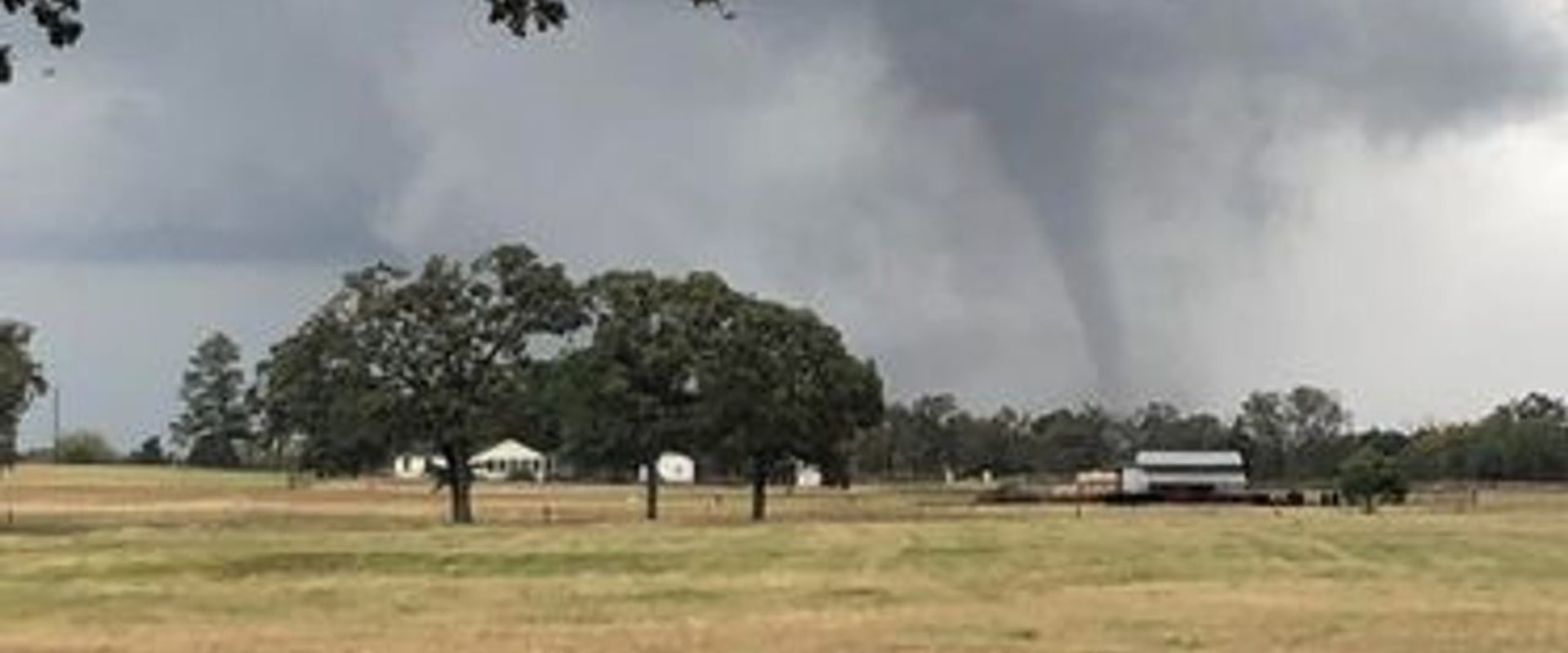
In the vibrant city of Dallas, where the blend of urban life and natural beauty captivates residents and visitors alike, the unpredictable forces of nature can sometimes take center stage. Understanding weather safety protocolsUnderstanding weather safety protocols is a crucial part of keeping the community informed and safe during those tumultuous times when storms rage and conditions become dangerous. Understanding these alerts is not just important for personal safety; it is essential for protecting property and ensuring the well-being of loved ones. From torrential downpours and hailstorms to tornado warnings, the diverse range of severe weather phenomena that can affect Dallas highlights the need for timely and accurate information. This article aims to unravel the complexities surrounding severe weather alertssevere weather alerts in Dallas, providing clarity on how these alerts are issued, what they mean, and how residents can best prepare for unexpected weather events. As we delve into the various types of alerts and the systems in place to disseminate this critical information, you will gain a deeper understanding of how to navigate severe weather situations with confidence and preparedness. Join us as we explore the vital role that severe weather alerts play in safeguarding our community, ensuring that you are always one step ahead when Mother Nature decides to show her might. In Dallas, understanding the nuances of severe weather alerts is crucial for ensuring the safety and preparedness of local residents.
The city experiences a variety of severe weather conditions that can pose significant risks to life and property. Therefore, it is important to be familiar with the types of alerts issued and the appropriate responses required for each situation. One of the most critical alerts is the tornado warning, which is issued when a tornado has been sighted or indicated by weather radar. Residents in affected areas are advised to take immediate action, seeking shelter in a sturdy building, preferably in a basement or an interior room on the lowest floor. The average lead time for tornado warnings is about 13 minutes, making quick action essential. Another significant alert is the flash flood warning.
This alert is triggered when rapid flooding occurs or is imminent, typically within six hours of heavy rainfall. Dallas has experienced severe flooding in the past, highlighting the importance of this alert. During a flash flood warning, residents should avoid low-lying areas, be cautious around streams and rivers, and never attempt to drive through flooded roads. In recent years, heavy rains have led to significant property damage in various neighborhoods, emphasizing the need for swift action during such warnings. Severe thunderstorms can also result in dangerous conditions, leading to the issuance of severe thunderstorm warnings.
These warnings are issued when thunderstorms are capable of producing hail of one inch in diameter or larger, damaging winds of 58 mph or more, or tornadoes. Residents should seek shelter indoors and stay away from windows during these storms, as flying debris can cause injury. Statistics show that Dallas has seen its fair share of severe weather events. For instance, in April 2022, a series of tornadoes swept through North Texas, causing extensive damage to homes and businesses. Such events highlight the importance of being vigilant and prepared for severe weather alerts.Receiving timely information about these alerts is paramount for community safety.
Residents can stay informed through various channels. Local news channels provide continuous coverage during severe weather events, while weather apps offer real-time alerts directly to smartphones. Additionally, NOAA Weather Radio broadcasts critical information about severe weather conditions in the area. These resources ensure that residents are well-informed and can act quickly when necessary. The role of local authorities in disseminating information cannot be overstated.
Organizations like the National Weather Service work in conjunction with local emergency management agencies to provide accurate and timely alerts. Public officials often use social media platforms to reach residents quickly, ensuring that everyone is aware of impending severe weather conditions. For those looking to prepare for severe weather events, several resources are available. Creating an emergency kit with essentials such as water, non-perishable food, flashlights, batteries, a first-aid kit, and important documents can make a significant difference during emergencies. Understanding local evacuation routes is also crucial in case residents need to leave their homes quickly. Despite the effectiveness of current alert systems, there are ongoing discussions regarding their efficacy and community awareness initiatives.
Some residents argue that alerts may not always reach everyone promptly or effectively, particularly in vulnerable communities. This has led to calls for increased outreach programs that educate citizens on how to respond to different types of severe weather alerts. By improving community awareness and preparedness, Dallas can enhance its resilience against future severe weather events. In conclusion, being aware of severe weather alerts, understanding the criteria for each type of alert, and knowing how to respond can significantly impact the safety and well-being of Dallas residents during severe weather events.
How to Stay Informed
Staying informed about severe weather alerts in Dallas is crucial for ensuring the safety and preparedness of local residents. Fortunately, there are several effective methods to receive timely updates.Weather Apps are one of the most popular options. Many smartphone applications provide real-time alerts and notifications about severe weather conditions in your area. Users can customize their settings to receive alerts based on their specific location. Another valuable resource is the NWS (National Weather Service) website. The NWS offers comprehensive information about current weather conditions, forecasts, and severe weather alerts.
Residents can visit the site or subscribe to email alerts for updates directly from the source. Local news stations also play a vital role in disseminating information. Many Dallas television and radio stations provide regular weather updates, especially during severe weather events. Tuning in to these broadcasts can ensure you receive timely information. Social media platforms have become increasingly important for staying informed. Following local news outlets, meteorologists, and official government accounts on platforms like Twitter and Facebook can provide instant updates on severe weather conditions. Lastly, consider joining community alert systems.
Many local governments offer text or email alert services that notify residents about severe weather and other emergencies. Signing up for these services can be a proactive step in ensuring you and your loved ones stay safe during severe weather events.
Community Impact and Resources
Severe weather alerts play a crucial role in ensuring the safety and preparedness of residents in Dallas. When severe weather strikes, it can lead to significant disruptions in daily life, affecting everything from transportation to public services. Understanding the impact of severe weather on the community is essential for residents to remain informed and ready to act when necessary. During events such as thunderstorms, tornadoes, or floods, local infrastructure may be compromised.Roads can become impassable, power outages can occur, and emergency services may be stretched thin. This can lead to delays in response times, making it vital for residents to have access to real-time updates through severe weather alerts.To mitigate the risks associated with severe weather, it is important for residents to stay connected with local news outlets, emergency management agencies, and weather services. Resources such as the National Weather Service (NWS) provide timely updates and alerts that can help individuals and families prepare effectively. Additionally, local organizations often offer guidance on how to respond to severe weather situations, ensuring that community members know how to protect themselves and their property. Community resources also include local shelters and emergency hotlines that can assist during a severe weather event.
Residents should familiarize themselves with these resources ahead of time, so they are ready to act quickly if severe weather arises. By staying informed and utilizing available resources, the Dallas community can enhance its resilience against severe weather events.
Preparedness Tips
Being prepared for severe weather alerts in Dallas is crucial for ensuring the safety of you and your loved ones. Here are some actionable tips to help you stay ready for any severe weather situation:Stay Informed: Regularly check local news outlets, weather apps, and the National Weather Service for updates on severe weather alerts. Consider signing up for emergency notifications to receive timely information directly to your phone.Create an Emergency Kit:
Assemble an emergency kit that includes essentials like bottled water, non-perishable food, a flashlight, batteries, a first-aid kit, and any necessary medications.Make sure to include important documents in a waterproof container.
Develop a Family Emergency Plan:
Discuss with your family what to do in case of severe weather. Identify safe spots in your home where everyone can gather during storms, and establish a communication plan in case you get separated.Secure Your Property:
Take steps to protect your home by securing windows and doors. Trim trees and remove any loose items from your yard that could become projectiles during high winds.Know Your Evacuation Routes:
Familiarize yourself with local evacuation routes and have a plan for where you will go if you need to leave your home. Make arrangements for pets as well, as not all shelters accept animals.Practice Drills:
Regularly practice severe weather drills with your family so that everyone knows what to do when an alert is issued.This can help reduce panic and confusion during actual events. By following these preparedness tips, residents of Dallas can enhance their safety and resilience against severe weather events. Remember, being proactive can make all the difference in ensuring your well-being during critical situations.
Types of Severe Weather Alerts
In Dallas, being informed about severe weather alerts is crucial for ensuring the safety of residents. The National Weather Service (NWS) issues various types of alerts to communicate the severity and potential impact of weather events. Understanding these alerts can help individuals and families prepare adequately and respond effectively during severe weather situations. The primary types of severe weather alerts issued in Dallas include:-
Severe Thunderstorm Warning: This alert indicates that a severe thunderstorm is occurring or imminent in the area.
It typically means that the storm can produce damaging winds of 58 mph or higher, large hail, or even tornadoes. Residents should take immediate action to protect themselves and their property.
- Tornado Warning: A tornado warning signifies that a tornado has been sighted or indicated by radar. This alert requires immediate action, as tornadoes can cause significant destruction in a matter of minutes. Residents should seek shelter in a sturdy building, ideally in a basement or interior room.
-
Flash Flood Warning: This warning is issued when flooding is imminent or already occurring.
Flash floods can develop quickly, often within minutes, making it essential for residents to move to higher ground and avoid flooded areas.
- Winter Storm Warning: In the colder months, this alert warns of severe winter weather conditions, including heavy snowfall, freezing rain, or ice storms. Residents should prepare for difficult travel conditions and potential power outages.
- Heat Advisory: This advisory is issued when high temperatures pose a health risk, particularly for vulnerable populations. It's important for residents to stay hydrated, avoid strenuous activities, and check on those who may be at risk.
Throughout this article, we have explored the various types of severe weather alerts, the best ways to stay informed, essential preparedness tips, the impact on our community, and available resources to help navigate these challenging situations. It is vital to remain vigilant and proactive when it comes to receiving timely information during severe weather events. We encourage you to take the necessary steps to prepare yourself and your loved ones for any potential weather-related emergencies. Share this information with friends and family, ensuring that everyone is equipped with the knowledge needed to stay safe. Remember, being prepared can make all the difference when severe weather strikes.