Insights from Dallas Law Enforcement Officials
Explore interviews with law enforcement officials in Dallas, covering crime reports, community safety, and notable cases.
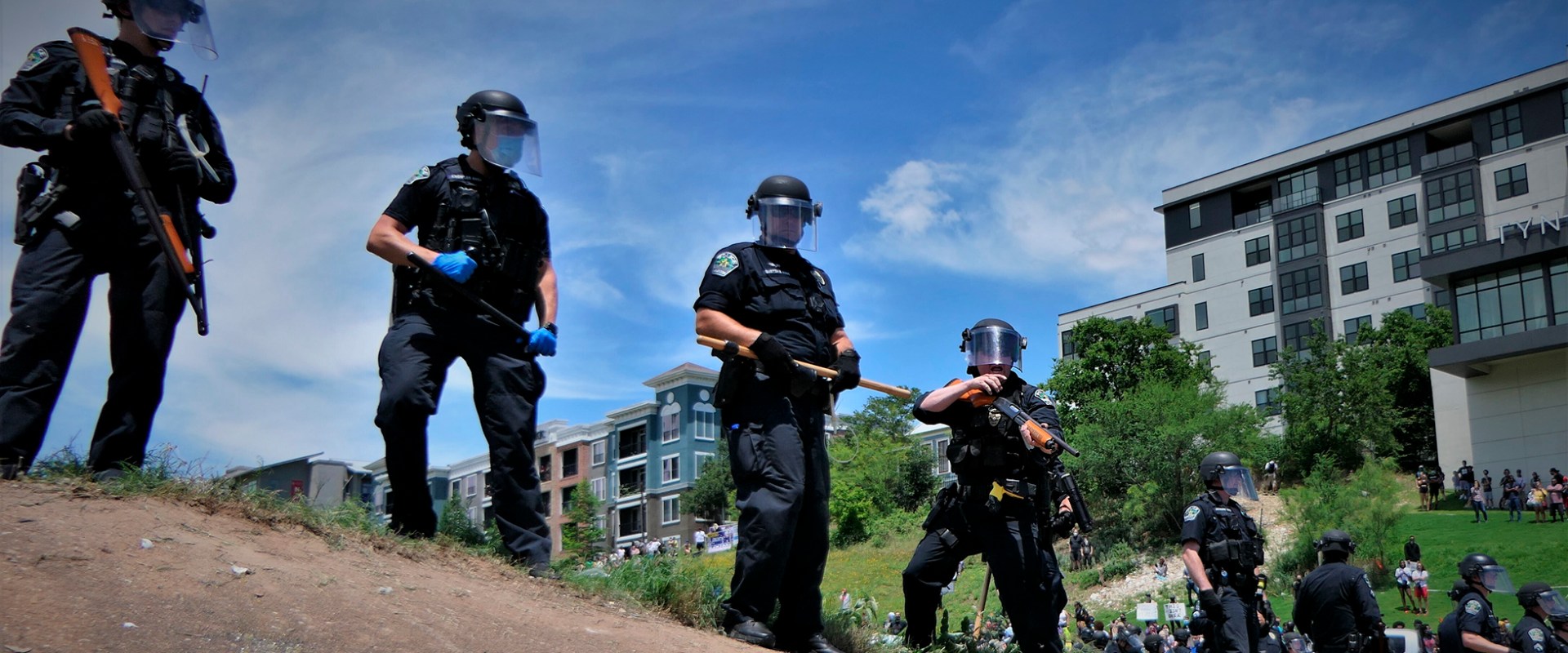
In the heart of Texas, where the vibrant city of Dallas pulsates with life, the complexities of law enforcement unfold daily. The stories behind crime reports often remain shrouded in mystery, leaving the public with unanswered questions and a desire for deeper understanding. This is where our exploration begins—an illuminating look at interviews with law enforcement officials who are on the front lines, navigating the challenges of maintaining safety and justice in a bustling urban environment. As we delve into the thoughts and experiences of these dedicated professionals, we aim to shed light on their insights regarding notable criminal cases that have shaped the landscape of who are on the front lines, navigating the challenges of maintaining safety and justice in a bustling urban environment. As we delve into the thoughts and experiences of these dedicated professionals, we aim to shed light on their insights regarding notable criminal cases that have shaped the landscape of crime in Dallas. From high-profile investigations to community outreach initiatives, our discussions will reveal the human element behind the badge and the strategies employed to combat crime. This article serves not only as a window into the world of law enforcement but also as a platform for fostering dialogue about public safety and community engagement.
Join us as we uncover the stories, challenges, and triumphs shared by those who dedicate their lives to serving and protecting the people of Dallas. Interviews with law enforcement officials provide a unique lens through which we can understand the complexities of policing in Dallas. These interviews often cover a variety of topics that reveal not only the strategies and priorities of the police but also their perspectives on community engagement and crime prevention. One prevalent theme in these discussions is the concept of community policing, which emphasizes building relationships between law enforcement and the communities they serve. Officers frequently discuss their commitment to fostering trust and cooperation, recognizing that effective policing often relies on community support. When conducting interviews with law enforcement officials, journalists and researchers typically ask questions aimed at uncovering how police departments respond to crime reports and manage public safety.
For instance, officials may be asked about their approaches to handling rising crime rates or specific crime trends in Dallas. Recently, there has been an uptick in certain types of crimes, such as property theft and violent offenses, prompting law enforcement to adapt their strategies accordingly. Officers might explain how they utilize data analytics to identify hotspots for crime and deploy resources more effectively to those areas. Collaboration with other agencies is another critical topic that arises in these interviews. Law enforcement officials often highlight the importance of partnerships with organizations such as social services, educational institutions, and local businesses.
For example, in notable cases like the investigation into a series of armed robberies in East Dallas, collaboration with community organizations played a vital role in gathering intelligence and addressing the root causes of crime. Officers might share insights about how working together with various stakeholders has led to more comprehensive solutions to crime. However, interviews with law enforcement officials are not without their challenges. Community members often express differing opinions regarding police practices, raising concerns about accountability and transparency. During interviews, officials may be confronted with tough questions about incidents of excessive force or racial profiling.
In response, many officers emphasize their commitment to improving community relations and their efforts to implement training programs focused on de-escalation techniques and bias recognition. These discussions reveal the ongoing dialogue between law enforcement and the public they serve. For instance, in a recent interview, a Dallas police officer shared his perspective on community feedback: "We understand that trust is earned over time, and we are committed to listening to the concerns of our residents. It’s essential for us to engage in open conversations about our practices and work towards solutions that prioritize community safety while respecting individual rights." Such quotes not only provide authenticity but also showcase the human side of law enforcement. Additionally, examining notable criminal cases in Dallas sheds light on the insights gained from these interviews. The investigation into the murder of Botham Jean by an off-duty officer sparked widespread debate about police accountability and community trust. In response, many officers emphasize their commitment to improving community relations and their efforts to implement training programs focused on de-escalation techniques and bias recognition. These discussions reveal the ongoing dialogue between law enforcement and the public they serve. For instance, in a recent interview, a Dallas police officer shared his perspective on community feedback: "We understand that trust is earned over time, and we are committed to listening to the concerns of our residents. It’s essential for us to engage in open conversations about our practices and work towards solutions that prioritize community safety while respecting individual rights." Such quotes not only provide authenticity but also showcase the human side of law enforcement. Additionally, examining notable criminal cases in Dallas sheds light on the insights gained from these interviews. The investigation into the murder of Botham Jean by an off-duty officer sparked widespread debate about police accountability and community trust.
Interviews with officials during this time revealed their acknowledgment of the need for systemic changes within the department to address public concerns while still ensuring effective policing. In conclusion, interviews with law enforcement officials are invaluable for understanding the multifaceted nature of policing in Dallas. They provide insights into community policing efforts, collaborative strategies for crime prevention, and the ongoing dialogue between law enforcement and the community. As crime trends evolve and public perceptions shift, these discussions remain crucial for fostering a safer and more engaged community.
Understanding Crime Trends Through Interviews
Interviews with law enforcement officials provide invaluable insights into the dynamics of crime in Dallas. These discussions shed light on how police analyze crime data, allowing them to identify trends and implement strategies to combat criminal activity.By speaking directly with officers, community members can gain a deeper understanding of the challenges faced by law enforcement and the methods they employ to maintain safety. Law enforcement agencies in Dallas utilize various tools and techniques to examine crime statistics effectively. Officers often reference data collected through reports, community feedback, and advanced analytics to pinpoint areas with rising crime rates. During interviews with law enforcement officials, they emphasize the importance of real-time data analysis, which enables them to respond swiftly to emerging threats. Furthermore, officers share their perspectives on current trends, highlighting the impact of socioeconomic factors and community engagement on crime rates. For instance, one officer noted that certain neighborhoods experience spikes in specific types of crime during particular seasons, which can often correlate with local events or economic shifts.
By examining these patterns, law enforcement can deploy resources more strategically, ensuring that they are present in high-crime areas when needed most. Through these interviews with law enforcement officials, readers can grasp the complexity of policing in Dallas. Officers not only respond to crimes but also engage in preventative measures, emphasizing the need for collaboration between law enforcement and the community. This collaborative approach can significantly influence crime trends, fostering a safer environment for all residents.
Notable Cases and Their Impact on Community Relations
In recent years, several high-profile cases in Dallas have significantly influenced public perception of law enforcement. One notable case is the shooting of Botham Jean in 2018. The tragic incident, where off-duty officer Amber Guyger mistook Jean's apartment for her own and fatally shot him, sparked widespread protests and discussions about police accountability and racial bias.This case highlighted the need for police training regarding de-escalation and community engagement, leading to a critical examination of law enforcement practices in the city. Another case that shaped community relations is the Dallas Police Department's response to the 2016 sniper attack during a protest against police violence. The attack, which resulted in the deaths of five officers, led to an outpouring of support for law enforcement but also raised questions about policing tactics and community safety. In the aftermath, Dallas officials worked to rebuild trust with residents by increasing transparency and emphasizing community policing initiatives. The murder of Joshua Brown, a key witness in the Botham Jean case, further complicated the relationship between law enforcement and the community. His death raised concerns about witness protection and the safety of those who come forward against police misconduct.
In response, local leaders have called for more robust measures to ensure the safety of community members involved in legal proceedings. These cases exemplify how specific incidents can shape public perception and underscore the importance of fostering positive relationships between law enforcement and the communities they serve. In light of these events, Dallas law enforcement officials are increasingly aware of their role in building trust and ensuring that community voices are heard.
Addressing Public Concerns: Transparency and Accountability
In today's complex social landscape, transparency and accountability have emerged as cornerstones of effective law enforcement. The Dallas Police Department recognizes the importance of addressing community concerns, particularly in light of recent crime trends that have left many residents feeling uneasy. By engaging in interviews with law enforcement officials, community members gain insight into the challenges officers face and the strategies being implemented to enhance safety. One of the primary ways the Dallas Police Department fosters transparency is through regular communication with the public.This includes hosting community forums where officers can speak directly to citizens about their experiences on the job, as well as discussing departmental policies and procedures. During these forums, law enforcement officials often share statistics related to crime rates, response times, and ongoing investigations, allowing residents to better understand the realities of policing in their neighborhoods. Moreover, interviews provide a platform for officers to address specific community concerns. For instance, when residents express worries about rising crime in certain areas, police officials can respond by detailing their action plans, such as increased patrols or targeted operations aimed at particular criminal activities. This open dialogue not only helps to alleviate fears but also fosters a sense of partnership between law enforcement and the community. Furthermore, transparency goes beyond just sharing information; it also involves acknowledging mistakes and learning from them.
Law enforcement officials in Dallas are increasingly aware of the need for accountability in their practices. Through interviews, they can discuss how the department is implementing changes based on previous incidents or community feedback. This willingness to adapt and improve reflects a commitment to serving the public effectively while maintaining trust. In conclusion, addressing public concerns about transparency and accountability is essential for building a stronger relationship between law enforcement and the community. Through interviews, Dallas law enforcement officials are not only providing valuable insights into their operations but also demonstrating their dedication to being responsive and responsible guardians of public safety.
The Role of Law Enforcement in Community Safety
Local police play a crucial role in maintaining public safety and building trust within the community.In Dallas, officers are not just enforcers of the law but also key players in fostering relationships with residents. This proactive approach is essential in creating a safer environment for all citizens. One of the primary ways local police build trust is through community engagement initiatives. These programs encourage officers to interact with residents outside of emergency situations, allowing for open dialogue and a better understanding of the community's needs. Events such as neighborhood watch meetings, school outreach programs, and community forums provide platforms for citizens to voice their concerns and for police to address them directly. Furthermore, the implementation of community policing strategies has proven effective in Dallas.
Officers are assigned to specific neighborhoods, enabling them to become familiar with the area and its residents. This familiarity helps to break down barriers, making it easier for community members to approach officers with issues or information. Such interactions can lead to valuable insights into local crime trends and potential solutions. Another important aspect of law enforcement's role is transparency. By keeping the community informed about crime statistics and police activities, departments can reduce misinformation and build credibility.
Regular updates via social media platforms or community newsletters help to keep residents engaged and aware, further solidifying trust. In recent years, Dallas has seen an increase in collaborative efforts between law enforcement and local organizations aimed at addressing the root causes of crime. By working together with schools, non-profits, and community leaders, police can help create programs that offer support and resources to at-risk populations, ultimately leading to a decrease in crime rates. Overall, the role of law enforcement in ensuring community safety extends far beyond traditional policing methods. Through engagement, transparency, and collaboration, local police strive to create a safe and trusting environment where residents feel empowered to participate in their own safety. In conclusion, the interviews with law enforcement officials have shed light on the critical role that police play in maintaining community safety amidst evolving crime trends in Dallas. The insights gathered underscore the necessity of open communication between law enforcement and the community, which is vital for fostering trust and enhancing safety efforts. Moreover, understanding the perspectives shared by these officials helps to demystify the complexities surrounding notable criminal cases and their implications for community relations.
As we've seen, transparency and accountability are key factors in addressing public concerns and building a cooperative relationship between police and residents. We encourage our readers to stay informed about local crime reports and actively engage with their community, as this involvement is crucial for creating a safer environment for all.