Essential Tips for Hurricane Preparedness in Dallas
Stay safe during hurricane season with these essential preparedness tips tailored for Dallas residents.
As residents of Dallas, we are no strangers to the unpredictable nature of weather, especially when it comes to severe events like hurricanes. While Dallas may not be located directly on the coast, the impacts of a hurricane can still reach us, bringing heavy rains, strong winds, and flooding. Understanding how to prepare for such events is crucial for ensuring the safety of you and your loved ones, and implementing preventive maintenance can help mitigate some of the damage. In this article, we will explore essential , we are no strangers to the unpredictable nature of weather, especially when it comes to severe events like hurricanes. While Dallas may not be located directly on the coast, the impacts of a hurricane can still reach us, bringing heavy rains, strong winds, and flooding. Understanding how to prepare for such events is crucial for ensuring the safety of you and your loved ones, and implementing preventive maintenance can help mitigate some of the damage. In this article, we will explore essential hurricane preparedness tips that everyone in Dallas should consider. From creating an emergency kit to developing a family communication plan, being proactive can make all the difference when a storm approaches.
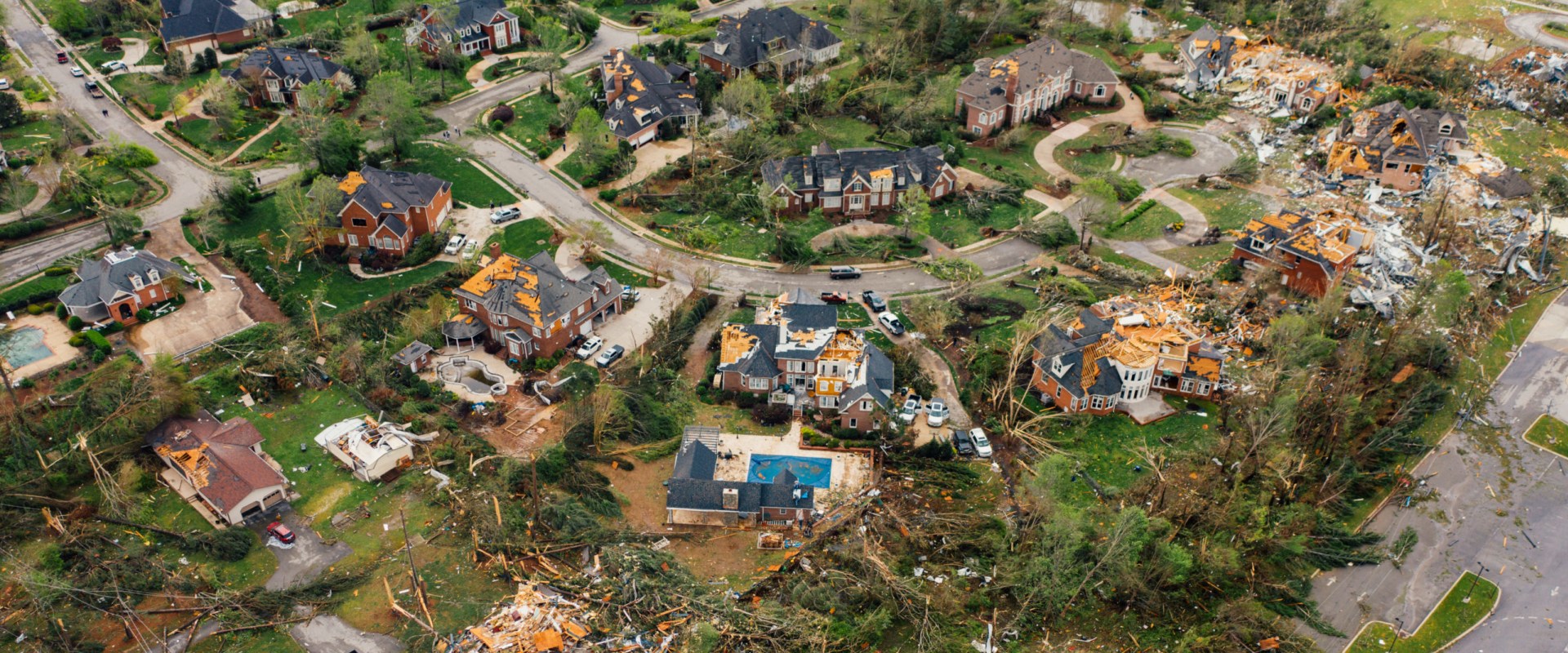
Are you ready to take charge of your safety and safeguard your home? Let’s dive into these vital preparations that can help you navigate the stormy weather ahead. Understanding hurricane preparedness tips is vital for the safety and well-being of residents in Dallas, particularly given the city's vulnerability to severe weather events. With recent hurricanes causing significant damage across the Gulf Coast, the urgency for local residents to prepare cannot be overstated. In 2020, Hurricane Laura devastated parts of Louisiana and Texas, serving as a stark reminder of the potential risks that storms pose. As the National Weather Service reported, the average hurricane can produce winds exceeding 100 miles per hour, leading to power outages, property damage, and dangerous flooding. To begin your journey towards effective hurricane preparedness, it is crucial to understand the various hurricane warnings and alerts issued by authorities.
The National Hurricane Center categorizes alerts into different levels: watches indicate a potential threat, while warnings signal that a hurricane is imminent. Staying informed through reliable sources such as local news channels and weather apps is essential. For instance, channels like WFAA or NBC5 provide up-to-date information about storm paths and emergency protocols. Moreover, downloading apps like the FEMA app or local weather alert services can ensure you receive timely notifications directly on your smartphone. Creating an emergency plan is another critical step in hurricane preparedness.
Every household should have a clear communication strategy in place. Designate a meeting point outside of your home where family members can gather in case of an evacuation. It’s also wise to identify multiple evacuation routes from your neighborhood to safer areas, which can help avoid congested roads during an emergency. Discuss these plans with all family members to ensure everyone knows what to do when a hurricane threatens. As part of your emergency strategy, assembling an emergency kit filled with essential supplies is paramount.
This kit should include non-perishable food items, enough water to last at least three days (a gallon per person per day is recommended), medications, first-aid supplies, flashlights, batteries, and important documents such as identification and insurance papers. Local authorities suggest that families also consider including cash in their kits since power outages may render ATMs and card readers inoperable. Securing your property is another essential component of hurricane preparedness. Residents should take proactive measures to protect their homes by reinforcing windows and doors with storm shutters or plywood. Additionally, removing outdoor furniture and other items that could become projectiles in high winds will help minimize damage during a storm.
It’s also advisable to check with your insurance provider about coverage for wind and flood damage. In Dallas, community resources play a vital role during hurricanes. The city has established several emergency shelters that provide refuge for residents who may need to evacuate their homes. Knowing the locations of these shelters ahead of time can save valuable minutes during an emergency. Local emergency services are also available to assist with evacuations and provide support during storms.
For those who may have special needs or health concerns, reaching out to local agencies before a storm hits can help ensure necessary accommodations are in place. One significant concern for many Dallas residents is flooding. Certain neighborhoods are particularly susceptible to flooding during heavy rains associated with hurricanes. To mitigate flood risks, homeowners should consider elevating appliances and utilities above potential flood levels. Additionally, installing sump pumps or drainage systems can further protect properties from water damage.
Local officials recommend staying informed about flood zones in your area and having a plan in place if you live in such regions. Incorporating personal experiences can deepen our understanding of hurricane preparedness. Local authorities emphasize the importance of being proactive rather than reactive when it comes to preparing for hurricanes. As one Dallas resident who experienced Hurricane Harvey noted, "Being prepared gave me peace of mind during an incredibly stressful time." These firsthand accounts reinforce the message that preparation is key to surviving severe weather events. In conclusion, preparing for hurricanes involves understanding warnings, creating plans, securing property, and utilizing community resources effectively. By following these hurricane preparedness tips, residents of Dallas can enhance their safety and resilience against future storms.
Understanding Hurricane Alerts
When it comes to hurricane preparedness, understanding the different types of hurricane alerts is crucial for residents of Dallas.These alerts help individuals and communities make informed decisions in the face of impending storms. There are two primary types of alerts issued by the National Weather Service: Hurricane Watch and Hurricane Warning. A Hurricane Watch is issued when there is a possibility that a hurricane may impact your area within the next 48 hours. This alert serves as a heads-up, prompting residents to start preparing for the storm. It is important to monitor updates and stay informed during this time. On the other hand, a Hurricane Warning indicates that a hurricane is expected to make landfall in your area within 36 hours.
This alert signifies that you should take immediate action to protect yourself and your property. Residents should finalize their emergency plans, secure their homes, and be prepared to evacuate if necessary. By understanding these alerts, residents can respond appropriately and enhance their hurricane preparedness. Always pay attention to local news sources and official weather updates, as conditions can change rapidly.
Creating Your Emergency Plan
When it comes to hurricane preparedness, having a well-structured emergency plan is essential for families in Dallas. This plan should encompass various aspects to ensure the safety and well-being of all family members during a hurricane.Start by identifying evacuation routes and safe locations, both within your home and outside, where you can seek shelter if necessary. Familiarize yourself with local shelters and their capacity, especially during peak hurricane season. Next, establish a communication plan. Ensure that every family member knows how to reach each other in case of separation. Designate an out-of-state contact who can help relay information and keep everyone informed about your safety and whereabouts. Additionally, create a comprehensive emergency supply kit.
This kit should include non-perishable food, bottled water, medications, flashlights, batteries, first-aid supplies, important documents, and a battery-operated radio. Remember to personalize the kit according to the specific needs of your family members, including pets. It’s also important to discuss family roles during a hurricane. Assign tasks such as gathering supplies, monitoring weather updates, or taking care of pets. Practicing your emergency plan regularly can help reinforce these roles and ensure everyone knows what to do when a hurricane threatens. Finally, stay informed about the latest weather updates through local news outlets and the National Weather Service.
Adapting your emergency plan as needed based on current forecasts will enhance your preparedness for any unforeseen circumstances.
Securing Your Property
When it comes to hurricane preparedness, one of the most critical steps is securing your property. For residents in Dallas, understanding how to fortify your home against potential hurricane damage can make a significant difference in safety and recovery. Here are several practical tips tailored to common construction practices in the area. First, ensure that your roof is in good condition. Check for loose or damaged shingles and replace them as necessary.Consider installing hurricane straps to help secure the roof to the walls of your home, reducing the risk of wind uplift. Next, pay attention to your windows and doors. Installing storm shutters can provide an extra layer of protection against flying debris. If storm shutters are not feasible, consider using plywood to board up windows and glass doors. Additionally, inspect your garage door, as this is often a vulnerable point during severe storms. Reinforce your garage door with braces or consider replacing it with a wind-rated door designed to withstand high winds. Landscaping also plays a crucial role in hurricane preparedness.
Trim trees and bushes around your property to prevent branches from becoming projectiles. Make sure that any loose outdoor furniture, decorations, or tools are either secured or brought inside before a storm hits. Finally, don’t forget about your home’s foundation. If you live in an area prone to flooding, consider elevating your home or using sandbags to create barriers around your property. This can help divert water away from your home during heavy rains. By following these tips on securing your property, you can significantly enhance your home's resilience against hurricanes and protect your family and belongings during the storm season.
Local Resources and Support
Being prepared for a hurricane is not just about stocking up on supplies; it also involves knowing where to turn for help when a storm strikes.In Dallas, several local resources are available to assist residents during hurricane events.
Emergency Shelters
are set up by the city and local organizations to provide safe refuge for those who need it during severe weather. The City of Dallas operates designated shelters, which can be found on their official website or through local news outlets as hurricanes approach. It's crucial to familiarize yourself with the locations of these shelters ahead of time, especially if you live in an area prone to flooding. Additionally, community organizations such as the American Red Cross play a vital role in disaster preparedness and response.They provide not only shelter but also food, medical assistance, and emotional support to those affected by hurricanes. Knowing how to contact these organizations and what services they offer can make a significant difference in times of crisis. Local government websites often list evacuation routes and provide real-time updates on the status of shelters and resources during a hurricane. Keeping this information handy can ensure that you and your family stay safe and informed. Moreover, neighborhood associations and social media groups can be invaluable for sharing information about local resources. Engaging with your community can provide insights into who might need help and how you can assist each other during these trying times. By understanding the local resources available for support during hurricane events, Dallas residents can better prepare themselves and their families, ensuring a coordinated response when disaster strikes.
Assembling Your Emergency Kit
When preparing for hurricanes, having a well-stocked emergency kit is crucial for residents of Dallas.This kit should be tailored to meet the needs of your household and should include essential items that can sustain you during a storm and its aftermath. Here are some important items to include in your emergency kit:
- Water: Store at least one gallon of water per person per day for at least three days, for drinking and sanitation.
- Food: Include a three-day supply of non-perishable food items such as canned goods, granola bars, and dried fruits.
- Flashlight: A reliable flashlight with extra batteries is essential for navigating in the dark if the power goes out.
- First Aid Kit: Stock a comprehensive first aid kit that includes bandages, antiseptics, pain relievers, and any necessary prescription medications.
- Multi-tool: A multi-tool can serve various purposes, from opening cans to making minor repairs.
- Whistle: Keep a whistle in your kit to signal for help if needed.
- Personal Hygiene Items: Include sanitation supplies such as moist towelettes, garbage bags, and personal hygiene products.
- Important Documents: Keep copies of important documents like insurance policies, identification, and medical records in a waterproof container.
- Cash: In case of power outages, having some cash on hand can be crucial for purchases.
- Clothing and Blankets: Pack extra clothing suitable for the weather and warm blankets to keep comfortable.
Hurricane preparedness tips
such as understanding alerts, creating an emergency plan, assembling an emergency kit, and securing your property can significantly mitigate risks. Recent hurricanes have shown us the devastating impact they can have on our local communities, and statistics remind us that the right preparation can save lives. It is crucial to take action now, rather than waiting for a hurricane to approach.By following the steps outlined in this article, you can ensure your safety and the safety of your loved ones.